
Verruca removal
Struggling with a stubborn foot verruca?
Foot verrucas can be painful, uncomfortable to walk on, and look unsightly. They’re also contagious, which can make you hesitant to walk barefoot whilst others are around.
Without the right care and attention, they’re unlikely to go away.
You may have already searched online for home remedies and purchased every over-the-counter verruca treatment on the shelf. You may have even contacted your GP about your verruca but still had no success.
You shouldn’t have to put up with this, and the good news is, you don’t have to. Our highly trained chiropodists and podiatrists can treat your verruca and get your feet looking and feeling great.


About verrucas
What is a verruca?
Verrucas are plantar warts commonly found on the foot caused by strains of the human papillomavirus infecting the outer layer of the skin. They can appear on any aspect of the foot but usually present on the weight-bearing surfaces.
What causes a verruca?
The human papillomavirus can survive outside of the human body and thrives in a moist, damp environment, which is why it is commonly picked up from swimming pools and communal changing room floors. It can however be contracted from any surface, especially if you have cuts or abrasions on your feet which you may not be aware of. Once the virus is picked up, there is a delay before the verruca become visible whilst the virus multiplies.
What are common symptoms of a verruca?
Initially, verrucae can present as a small whitey pink bump but in the later stages, they often have a rough cauliflower-like appearance with central black dots.
Verrucas can develop as one singular wart of varying sizes or multiple tightly packed individual warts known as mosaic verrucae. If the verruca forms on a weight-bearing surface such as the heel or the ball of the foot, it will usually protrude into the skin, may acquire an overlying spongy callus, and can be painful when walking. If it develops on a non-weight-bearing surface such as the side of a toe, it will protrude outwards and might not cause any pain unless squeezed.

Swift microwave treatment for verrucas
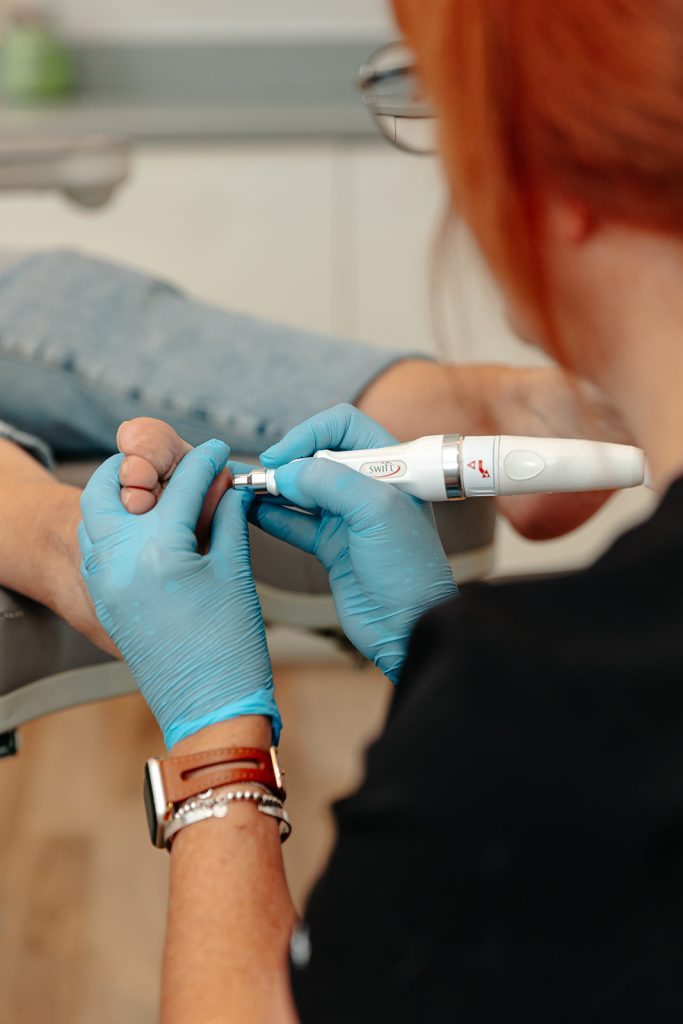
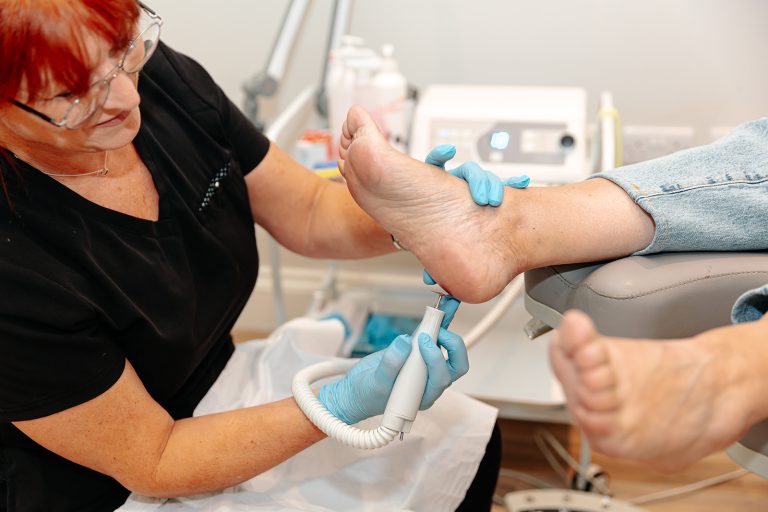
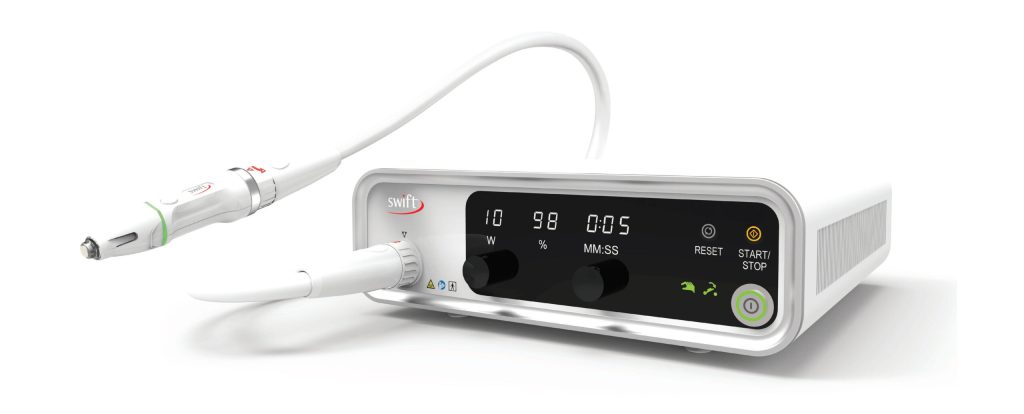
Swift uses microwave energy which is delivered through a probe that is applied to the skin to treat the affected tissue. Multiple verrucas can be treated in a single session.
Key features:
- Success rate approximately 80%
- Involves the application of microwave therapy to the verrucae
- Non-invasive treatment
- No need to rest after treatment and no post-treatment dressings required
- Requires up to 4 treatment sessions
Your treatment package includes:
- Up to 4 treatment sessions over an 12 week period
- Follow up review 12 weeks after last treatment session
- Further follow up review 12 weeks later
I tried various methods of removing my stubborn verruca. I almost gave up trying but I’m glad I didn’t as the Swift treatment really worked.
See all testimonialsVerrutop topical treatment for verrucas
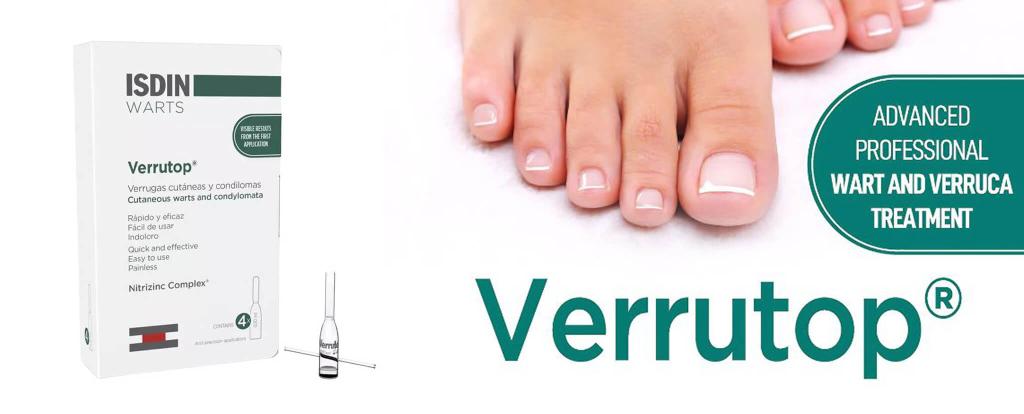
Verrutop is patented Nitrizinc Complex® formulated to desiccate and mummify the verruca, causing it to dry out and detach from the surrounding healthy skin.
Key features:
- Success rate approximately 75% +.
- Involves removing the overlying callus and application of the Verrutop liquid.
- Non-invasive treatment.
- No need to rest after treatment and no post-treatment dressings required.
- Requires between 3-6 sessions at 2 week intervals.
- Requires patients to apply surgical spirits to the verruca(s) twice/day to re-inforce the desiccation process.
Your treatment package includes:
- 4 Treatment sessions, 4 weeks apart
- Follow up review 4 weeks after last treatment session
Silver nitrate verruca treatment
Key features:
- Success rate approximately 45%
- Very effective for young children
- Involves a monthly application of Avoca caustic applicator 95% w/w cutaneous stick in clinic and fortnight home application of Avoca caustic pencil 95% cutaneous stick for periods of 2 weeks
- Non-painful and low complication rate
- Requires up to 4 sessions
Your treatment package includes:
- Up to 4 monthly treatment sessions of in-clinic application of Avoca caustic applicator 95% w/w cutaneous stick
- 4 pens of Avoca caustic pencil 95% cutaneous stick
- Follow up 1 month after last treatment session
- Zinc dioxide tape to keep the verruca covered between sessions
- Zinc supplements
I had a bad verruca and it was treated with care and attention. I can now walk knowing I’m not going to be in pain.
See all testimonialsVerrucas before and after treatment
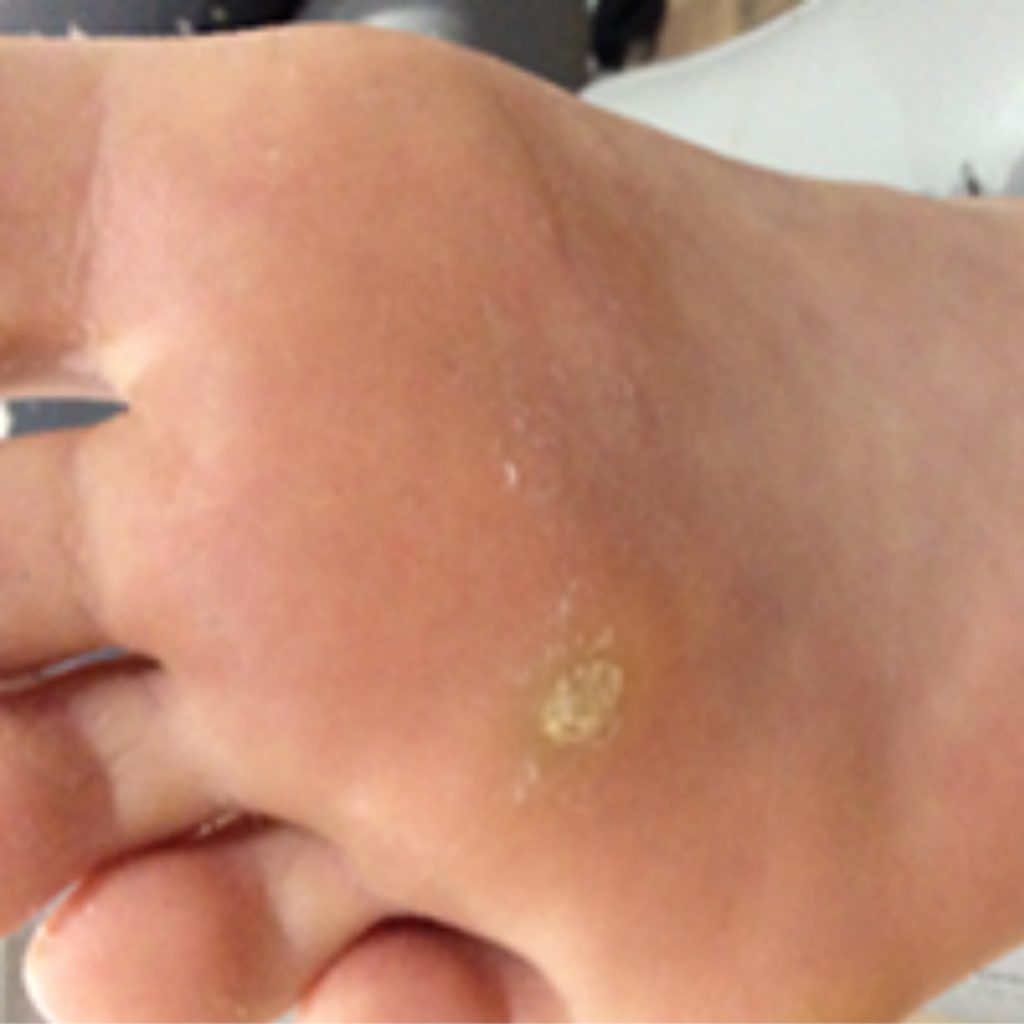
Before
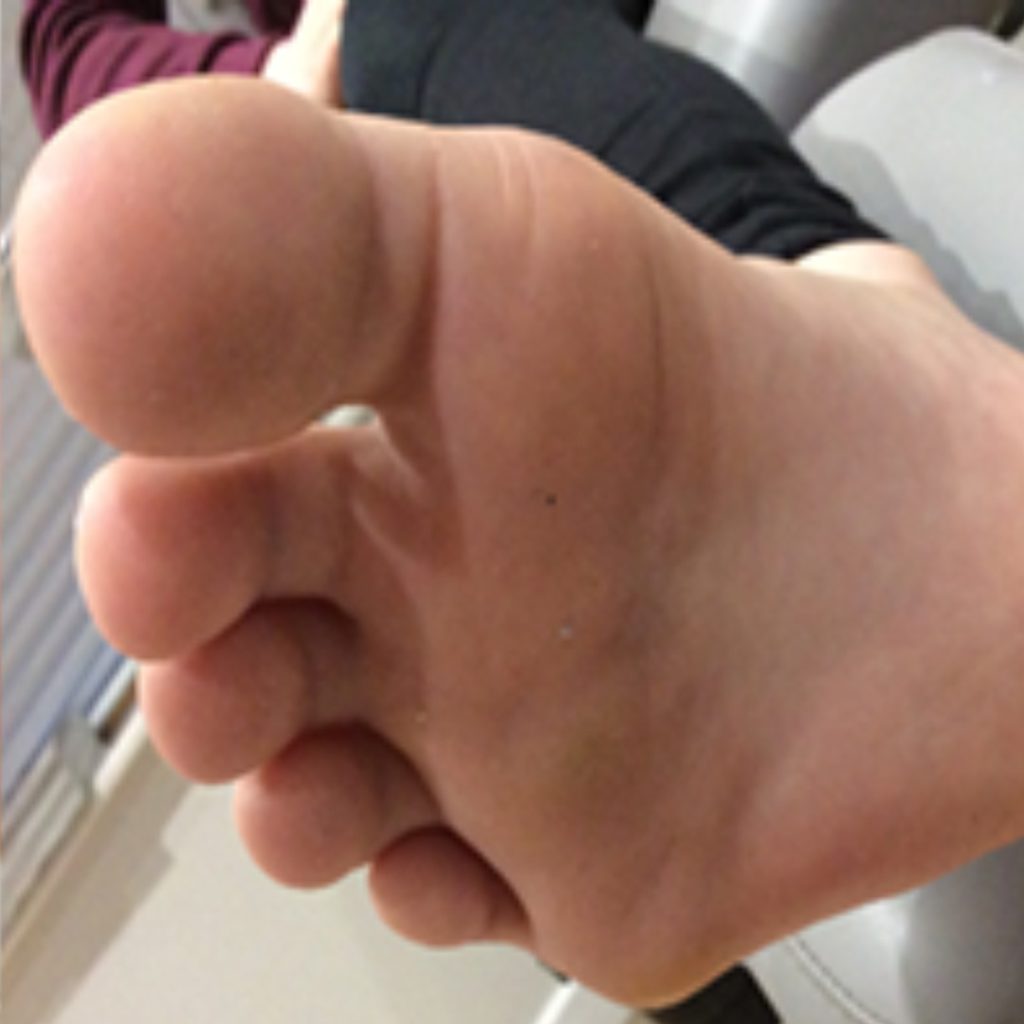
After
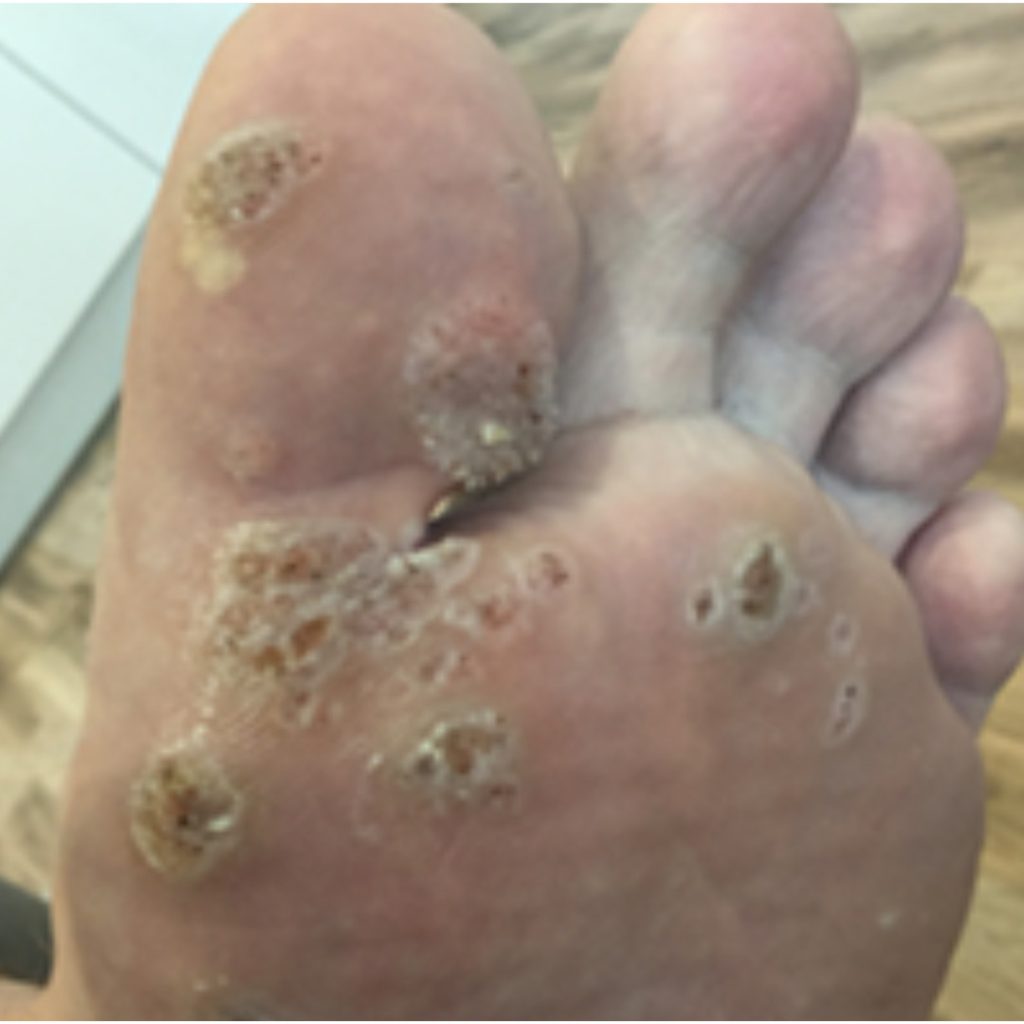
Before
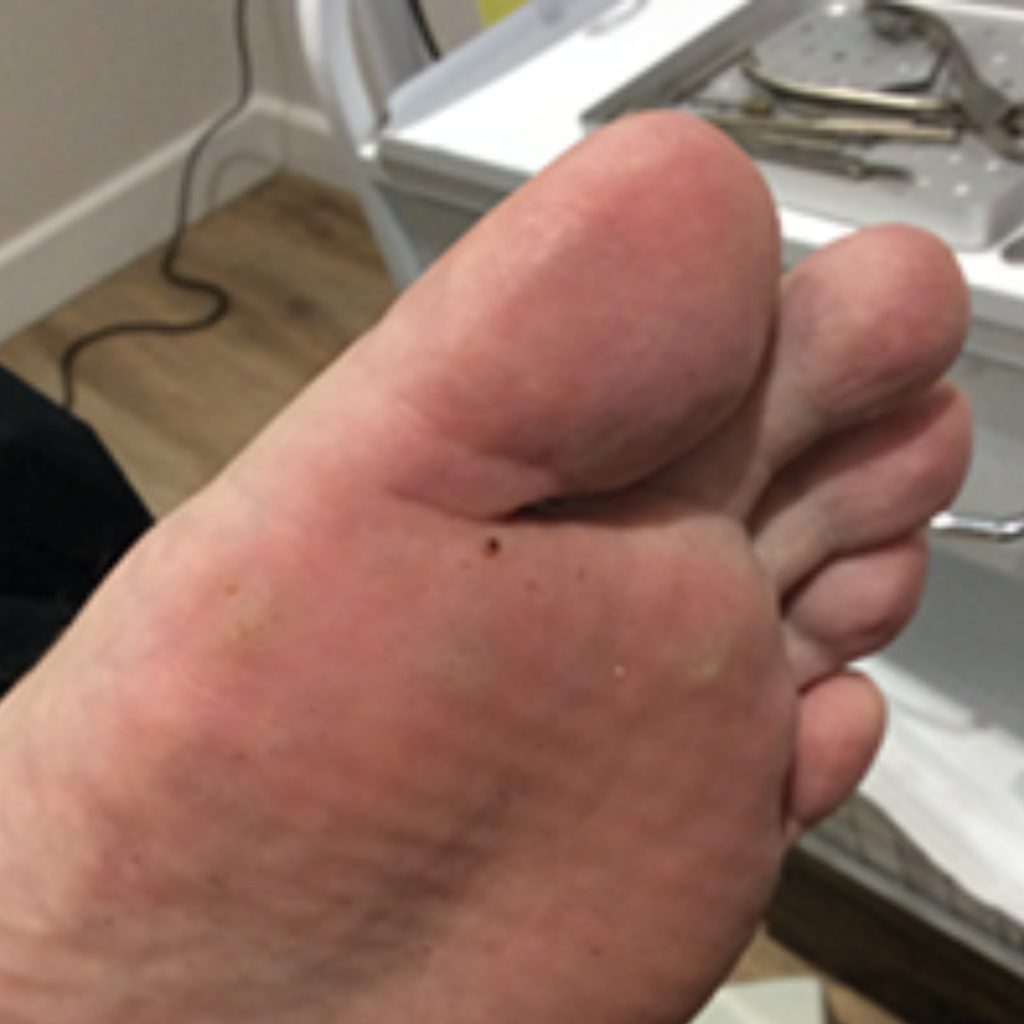
After
What to expect from your verruca removal appointment
Understand
Book an initial Podiatry / Chiropody appointment and come in to meet your foot specialist
Learn
Sit down to enjoy a cleansing foot bath where we’ll ask you for any relevant medical history
Diagnose
We’ll carry out a thorough assessment of your verruca to gain an understanding of why and how it developed, we’ll also assess your feet as a whole and treat any other conditions you may have
Treat
Your Podiatrist / Chiropodist will then recommend the best course of treatment for your verruca which will likely be one of the below options
Support
You’ll then be given advice on how to take care of your feet moving forward to ensure that your verruca doesn’t come back
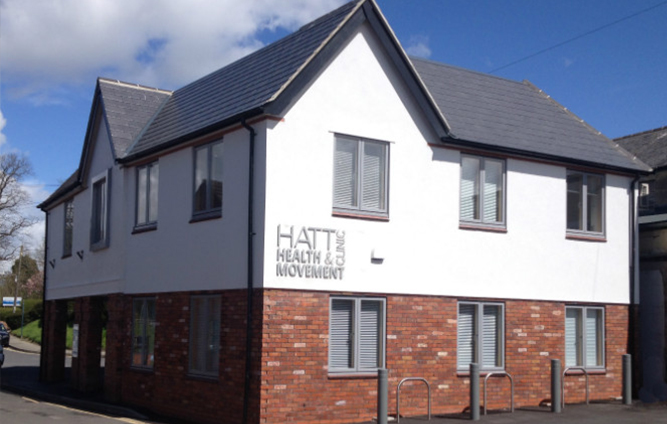
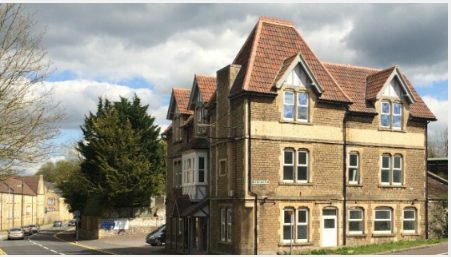
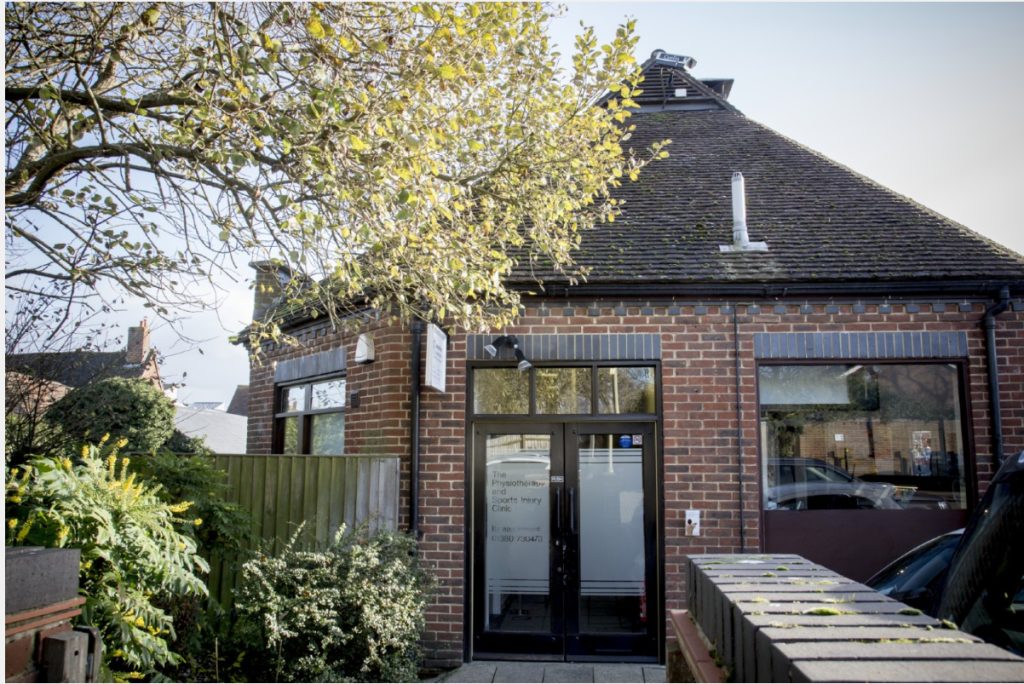
What it’s like to be a patient at Hatt Clinic
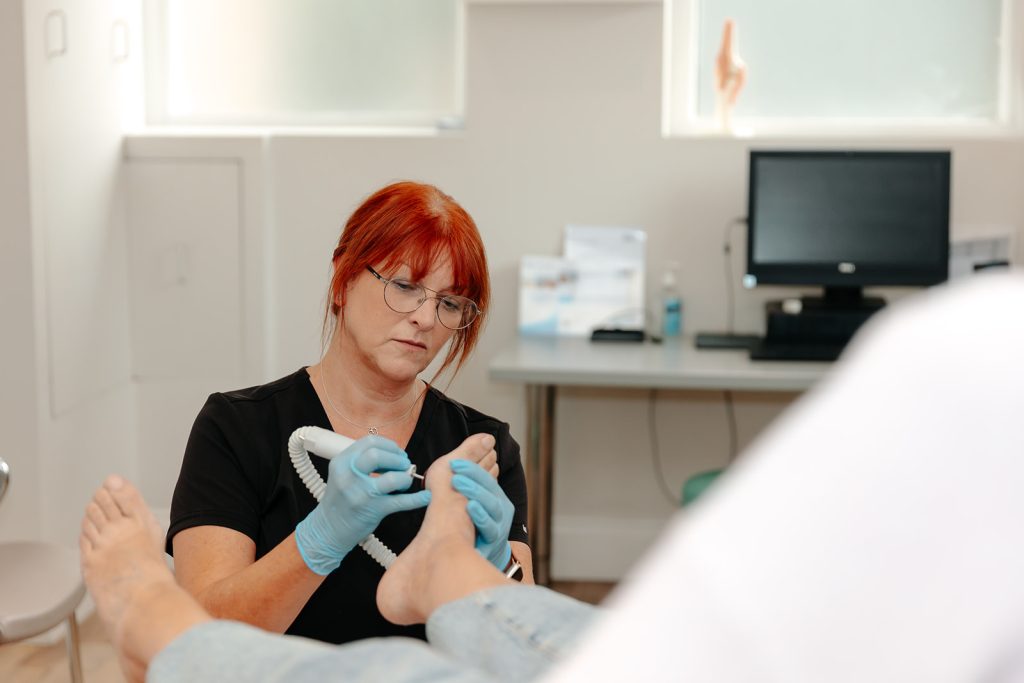
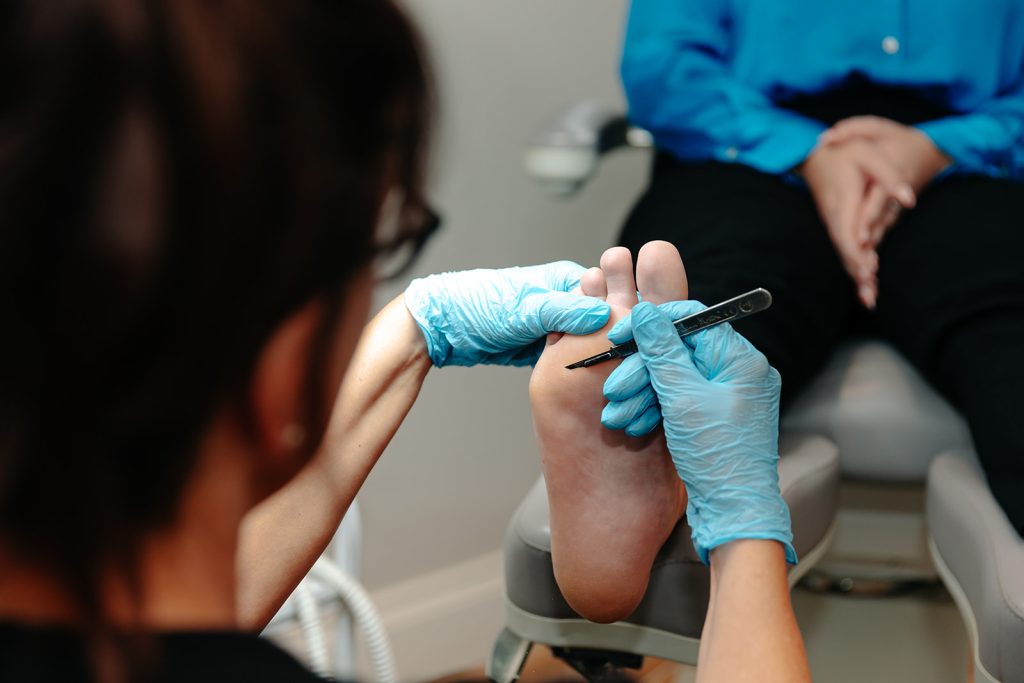
Our Clinics
Verruca removal FAQs
When should I seek help for a verruca?
If a verruca is painful, spreading, affecting how you walk, or not improving, it’s worth having it assessed.
You don’t need to wait until it becomes severe before seeking treatment.
What happens at a verruca appointment?
Your clinician will assess the verruca and discuss the most appropriate treatment options for you.
Where suitable, treatment may begin at the first appointment. You’ll be guided clearly on what’s recommended and why.
What verruca treatment options are available?
We offer several treatment options depending on the verruca and your individual circumstances.
This includes Swift, our most effective and commonly used treatment, which uses targeted microwave energy to stimulate the body’s immune response. Your clinician will advise which option is most appropriate for you.
Is verruca treatment painful?
Some treatments, particularly Swift, can be painful during application.
The discomfort is short-lived, and many people choose Swift because it is highly effective and does not involve needles or surgery. Your clinician will explain what to expect beforehand and help you decide whether it’s the right option for you.
How many treatments might I need?
This varies depending on the size, location, duration of the verruca and how it responds to treatment.
Your clinician will discuss likely expectations with you after assessment, particularly if Swift treatment is recommended.
Can verrucas come back after treatment?
Verrucas can sometimes recur, but treatment aims to resolve the problem and reduce discomfort.
You’ll be given advice on aftercare and reducing the risk of recurrence.