Hatt Clinic
August 02, 2024
March 22, 2020
Updated Oct 6th, 2026
If so, you’re not alone. It’s estimated that 70% of us will experience neck pain at some point in our lives. And you may be more likely to get it if you’re aged 45–54, female, have anxiety or depression, or sit in the same position for a long time.
There are different kinds of neck pain and they can all have different causes. If you want to relieve neck pain, it will help to understand which kind of neck pain you have.
Here are some of the most common types of neck pain.
A source of neck pain and shoulder pain, often occurring from the axial joint of the neck. This is the junction between top of the neck and the base of the skull/head.
Mechanical neck pain presents as a dull ache or stiffness in your neck and upper shoulders. It’s the most common form of neck pain and is typically caused by muscle strain or poor posture.
Posture-related neck pain can be caused by a build-up of tension in the neck and shoulders. This could also be from poor posture, stiffness around the neck and mid spine, or from carrying psychological stress.
A muscle spasm is a sudden, tight pain in your neck that feels like cramp. Your neck muscles stiffen, making it hard to turn your head, and you may also get a headache.
Muscle spasms can be caused by a muscle injury, problems in the nerves or spine, or carrying emotional stress.
This is more of a sharp burning pain that travels down the shoulder into the arm and/or hand. It may also cause some tingling and weakness.
In this case, the pain is caused by a compressed nerve.
Referred pain is pain that’s felt in one part of the body, but is originating from another.
For example, with the neck, often pain can also be felt in the jaw, shoulder, arm or hand.
This can often be linked to irritation to nerves as a result of joint stiffness, muscle weakness and tightness, overstretching injuries or age related changes.
Cervicogenic headaches originate from pain in your neck and shoulders. They usually start as an ache in the bottom of your head, near your neck. That might be on one side of your neck, progressing into one side of your head, or from the the back of your neck to the front of your head, behind your eyes.
Neck pain is often described as either acute or chronic, according to how long it lasts.
Acute neck pain comes on suddenly and, in most cases, gets better on its own, within a few days or weeks, while the body is healing.
Chronic neck pain occurs when the pain has lasted for several months and tends to keep coming back. If you’re suffering with persistent neck pain, getting the right treatment can help your recovery and prevent recurrence by addressing the cause.
You should seek urgent medical attention if you have neck pain and:
If your neck pain is acute and has come on suddenly, it might clear up on its own. But, in the meantime, there are some measures you can use to relieve the pain at home.
For example:
*It’s important to move the neck, but not force the movement. We advise gentle movement within the pain tolerance levels to allow the sensitivity to settle
If you find you’re waking up with a stiff neck and sore shoulders, it could be because your pillows aren’t supporting the natural curve of your neck.
A low, firm pillow is better for supporting your alignment while you sleep.
If your neck pain is persistent or keeps recurring, isn’t improving with home remedies and is starting to affect your everyday life, you may be considering getting treatment.
If so, Hatt Clinic’s highly qualified and experienced physiotherapy team can help. They’ll diagnose the root cause of the problem, then recommend a personalised treatment plan to help relieve your neck pain and restore normal movement.
Depending on your specific needs, treatments may include:
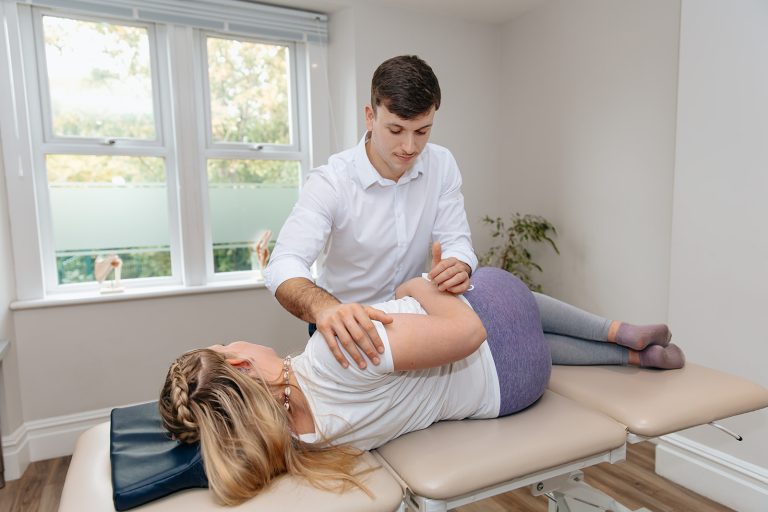
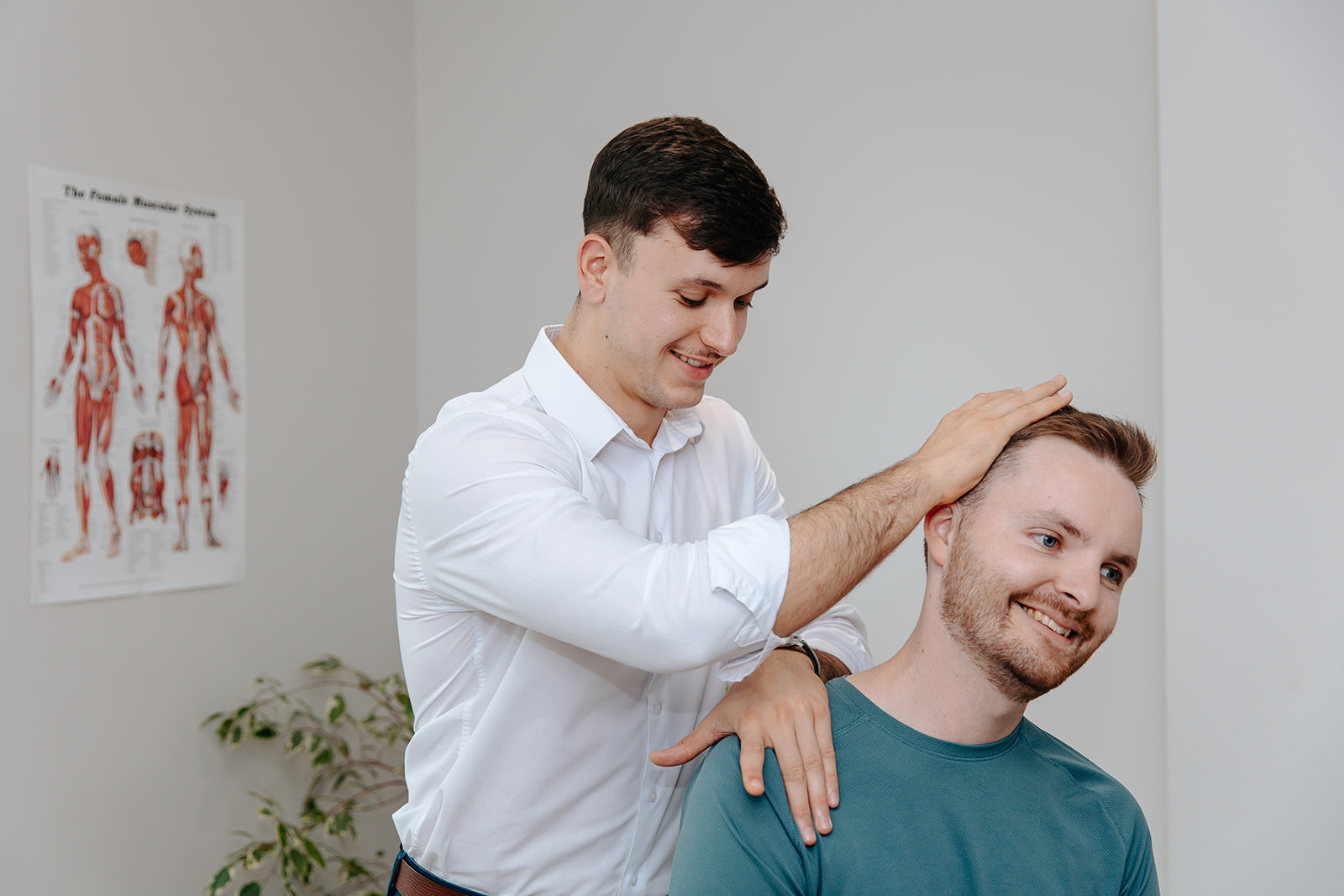
The therapist applies movements to the joints in and around the neck. This helps to increase the range of movement and reduce the stiffness and pain.
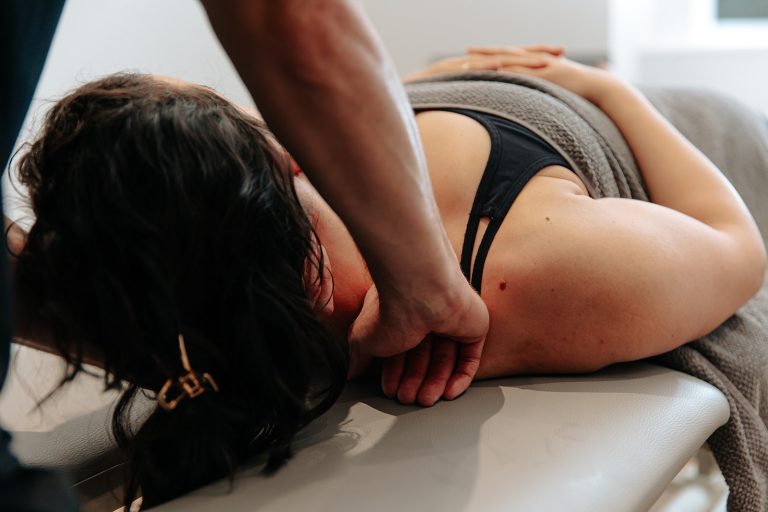
Massaging the soft tissues can help to reduce muscle tension, improve tissue mobility, enhance muscle contraction and desensitise any painful or overactive areas.
Acupuncture stimulates the body’s natural healing response. This helps by releasing pain-killing endorphins and improving the functioning of the hormonal system.
Electrotherapy assists the natural healing process and helps to reduce pain via an increase in energy (electrical, sound, light, magnetic, or temperature).
Exercises for you to complete at home to support the physiotherapists treatment, to maintain pain relief, continue to improve movement and improve the long term relief.
Once your pain has settled, we will refer you to see our rehab therapists who’ll design a tailored exercise programme to target your specific issues.
This will help you regain your strength while restoring your range of movement and normal function. Exercise can also help with long-term management of certain conditions.
Our experts will give you the advice you need to manage your everyday activities and prevent a recurrence of your neck pain.
That could be helping you to achieve the correct posture when seated, recommendations for performing your leisure activities safely, or advice to help you get a good night’s sleep.
If you have a persistent neck pain and you’d like to see one of our experts, you should start with a physiotherapy appointment.
Our expert physiotherapists will diagnose the cause of your neck pain and recommend an appropriate programme of treatment.
As Hatt Clinic is a multidisciplinary clinic, we can offer you all the services you might need, conveniently under one roof.
To book an appointment online, visit our online booking page and select initial physiotherapy from the menu.
Alternatively, you can email us at: enquiries@hattclinic.co.uk
Or call your nearest clinic:
Devizes: 01380 730473
Frome: 01672 516580
Marlborough: 01373 452604
Hatt Clinic
August 02, 2024
Hatt Clinic
October 27, 2024
Hatt Clinic
April 07, 2017