




Hatt Clinic
March 22, 2020
MYOFASCIAL RELEASE
Are stiff muscles preventing you from moving flexibly and freely?
Have you noticed that your muscles feel tight, even after you stretch?
Do you have dull, persistent pain that feels like it’s spreading rather than staying in one place? And do you find the pain feels better after you move around, but keeps coming back?
Symptoms like these could be caused by tension in your muscle fascia.
Maybe you’ve had temporary relief from painkillers or anti-inflammatories, but are looking for more long-lasting results. Or maybe you’ve tried NHS physiotherapy or chiropractic care and it didn’t work for you.
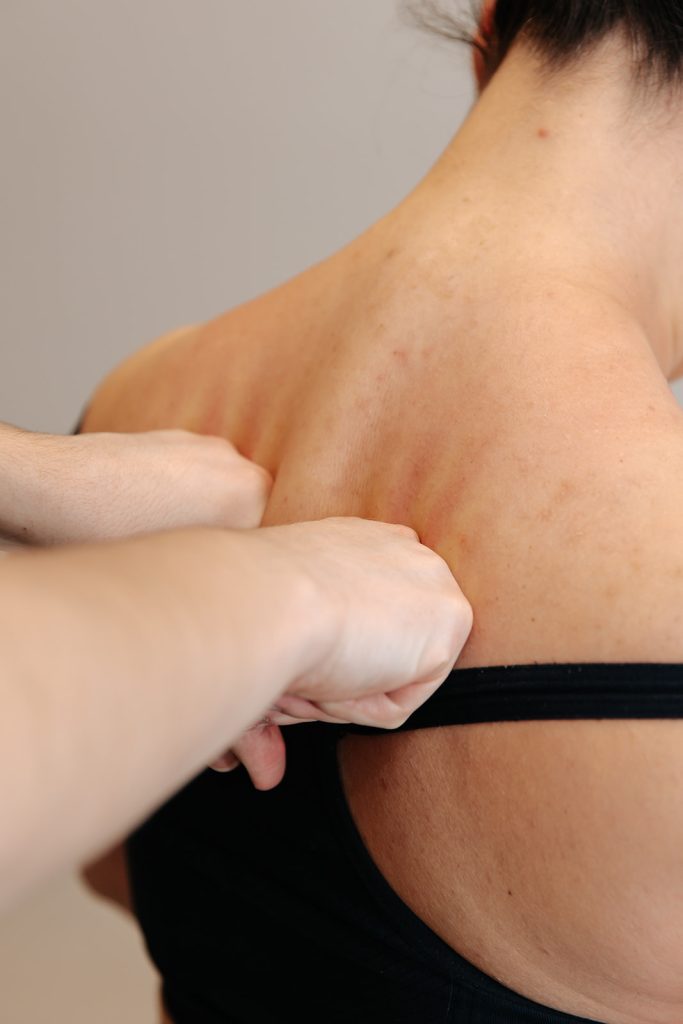
Myofascial release targets tension in your muscle fascia, helping to release muscle tightness, relieve discomfort, and reduce stiffness.
Book a Massage and Manual Therapy appointment today and start getting back to flexible, pain-free movement.
Call: 01380 730473
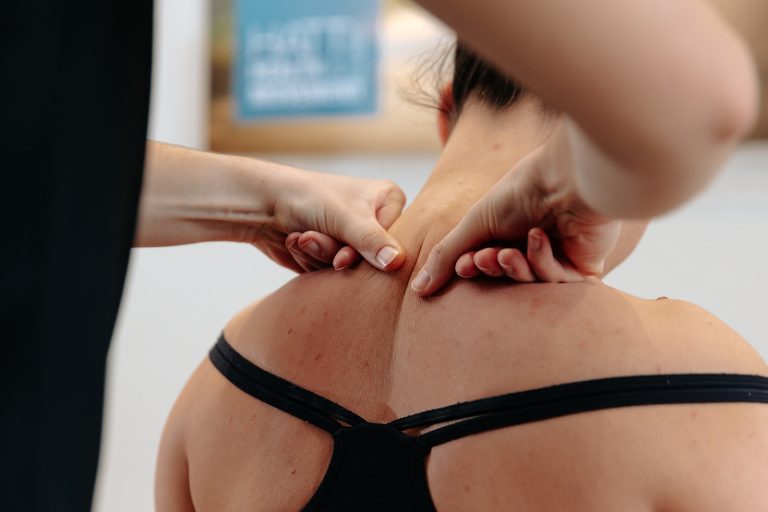
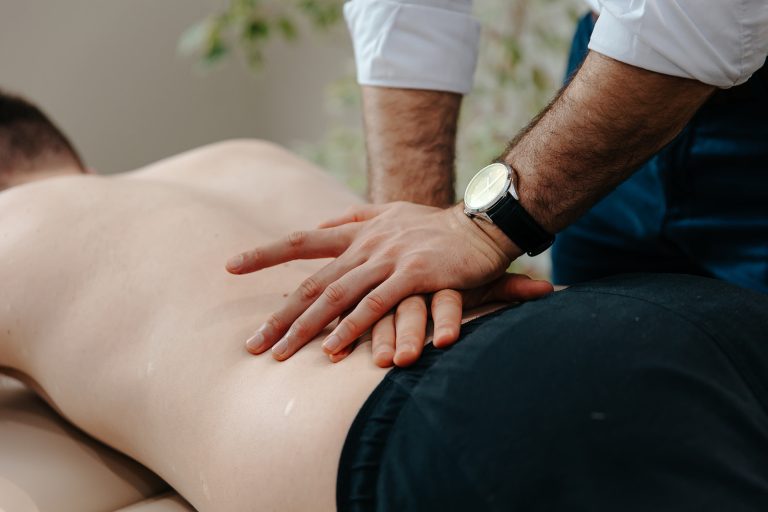
Built-up tension in your muscle fascia can cause muscle knots and tightness that cause discomfort and restrict your movement. Myofascial release targets this tension to break it down and release it.
Your muscle fascia is a superficial layer of connective tissue that runs from the top of your head to the bottoms of your feet. The fascia surrounds and protects all the muscles, bones and nerves in your body.
Tension in the muscle fascia can build up after an injury to protect the muscles and tissues underneath. It can also be caused by carrying emotional stress.
Releasing this tension makes the muscle fascia more supple and flexible, which reduces stiffness and discomfort. It also means our clinicians can get deeper into the muscles to treat any underlying injuries or pain.
To book an appointment with one of our experts, call 01380 730473
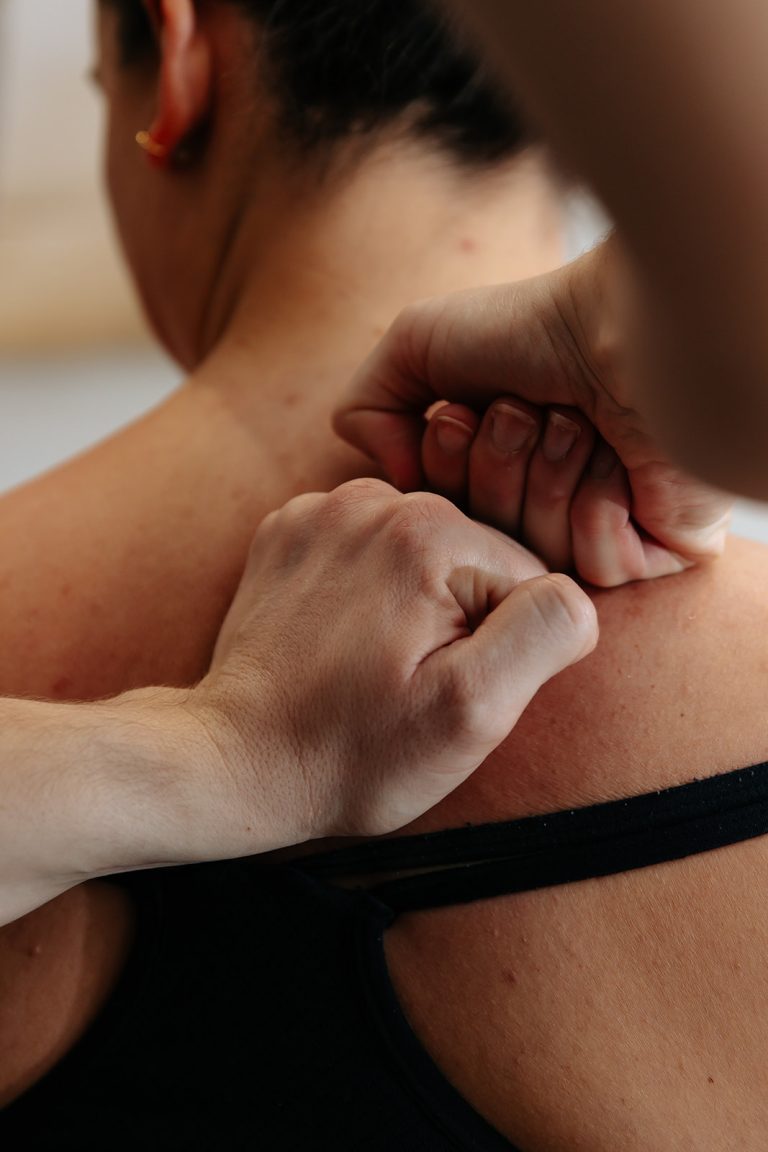
Myofascial release can be used to treat symptoms all over the body.
This includes:
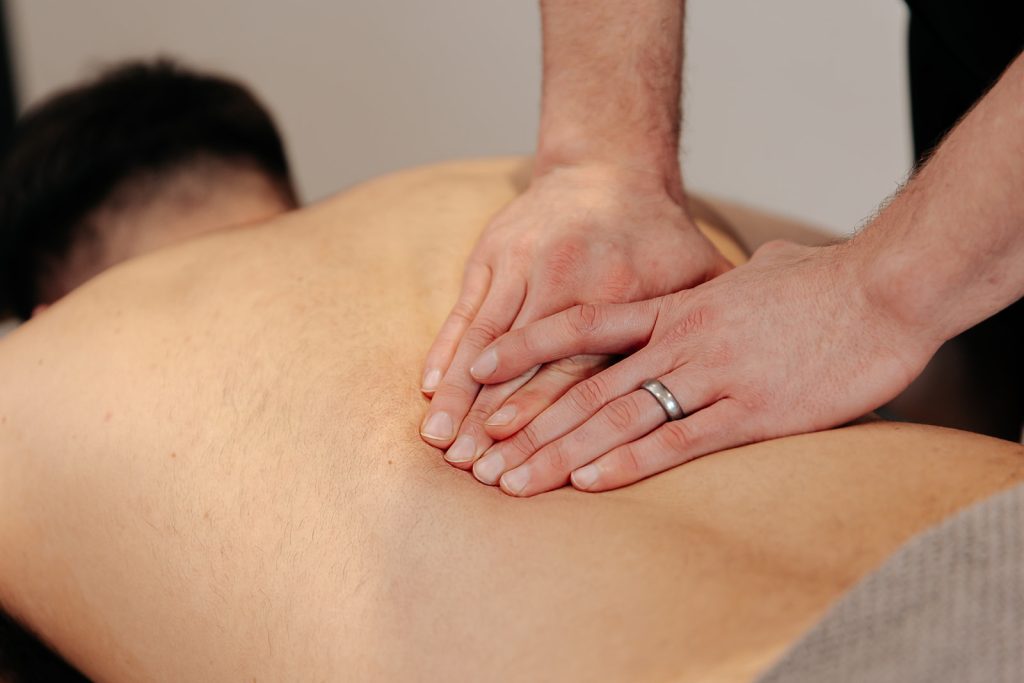
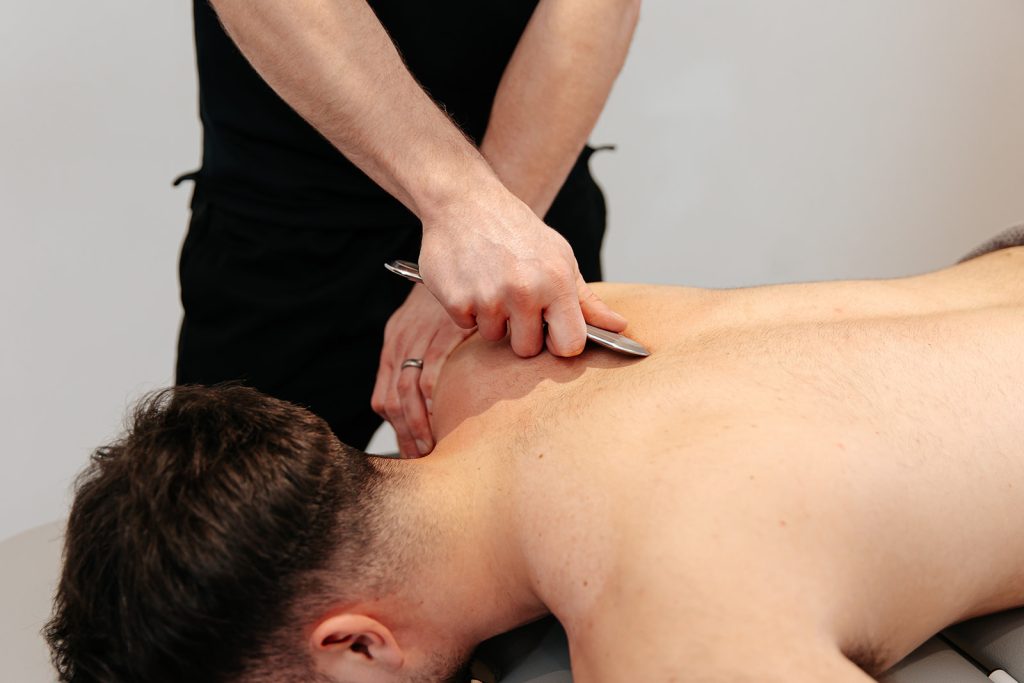
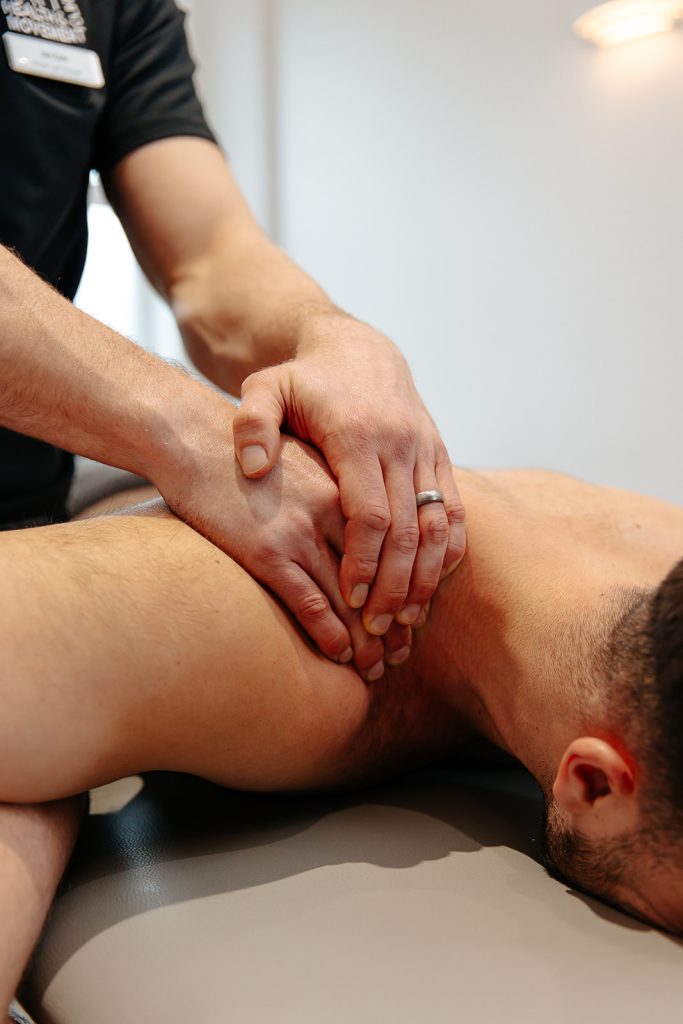
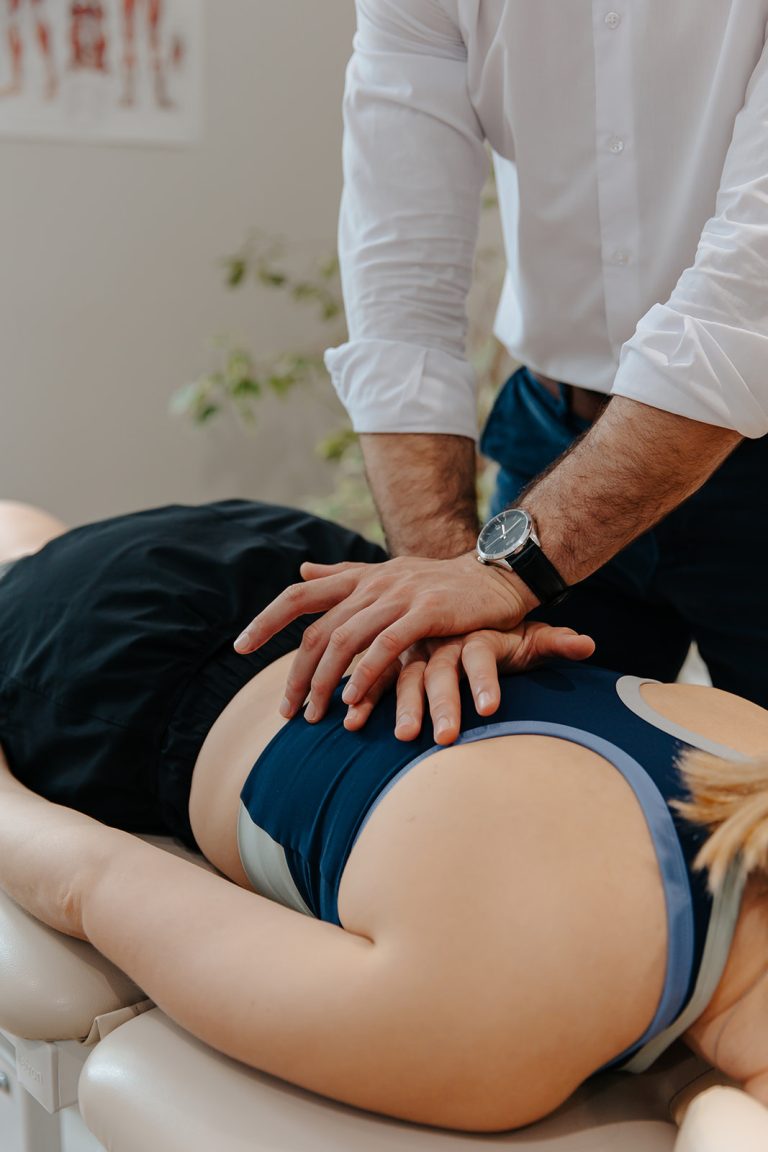
Myofascial release uses hands-on techniques to pull and stretch the muscle fascia.
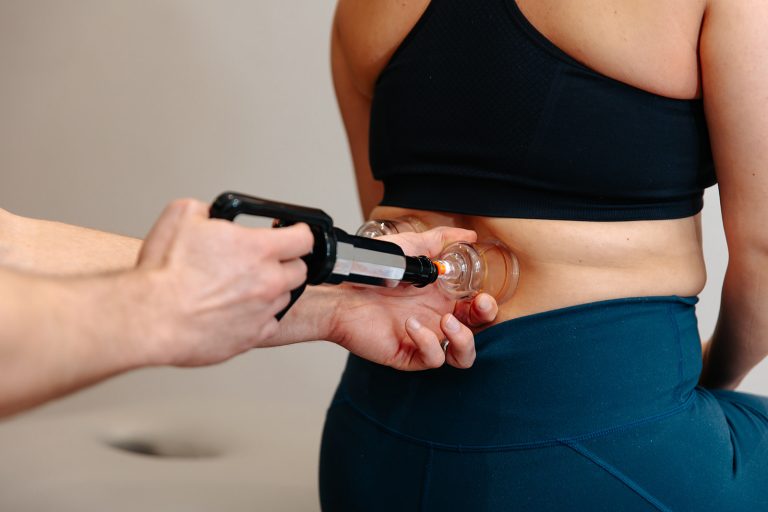
It can also include dry cupping, where plastic cups are applied to your body using suction. The cups lift the tissue, creating more blood flow and better circulation.
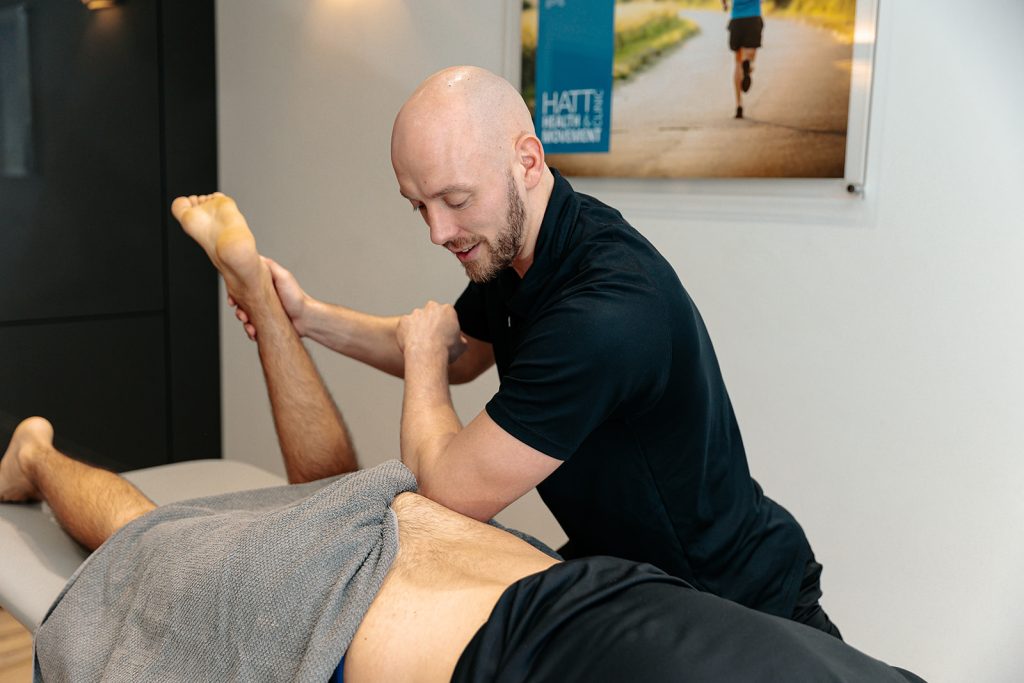
Myofascial release is just one of the techniques our clinicians can use to treat your issue. It can be combined with other methods and exercises to form an effective treatment plan.
If you think you could benefit from myofascial release, book an appointment at our clinic in Devizes, Frome or Marlborough.
Call: 01380 730473
Book a Massage and Manual Therapy appointment at our Devizes clinic on Couch Lane.
Call: 01380 730473
Book a Massage and Manual Therapy appointment at our Frome clinic in Wallbridge.
Call: 01373 452604
Book a Massage and Manual Therapy appointment at our Marlborough clinic in Hughenden Yard.
Call: 01672 516580
Most patients notice an improvement in their symptoms after each session. But, rather than quick fixes, your clinician will be focused on treating the root cause of the problem to give you more lasting results.
The number of sessions you’ll need will depend on your body, your lifestyle, the specific issue we’ll be treating, and how you respond to the treatment.
Myofascial release is typically slower, gentler and more comfortable than other manual therapy techniques. But, depending on your condition, you may still experience some tenderness.
The initial appointment is 45 minutes. After that, appointments are usually 45 minutes, but you can choose a 30-minute or 60-minute appointment if you prefer.
During the initial appointment, your clinician will gather as much information as they can about your symptoms, injury, medical history and goals.
This will be followed by a physical assessment to see how you’re moving and where you’re experiencing stiffness. Your clinician will then apply a number of techniques, appropriate for treating your issue.
At the end of the session, your clinician will repeat the physical assessment and note what changes have been made. They’ll use this as the basis for your treatment plan going forward.
You may be asked to remove clothing, so please bring a towel with you.
Wear something that allows us to treat you without causing any restriction. Short, baggy shorts and a strappy top are ideal.
You may need to remove your top. For women, a regular bra is better than a sports bra, which can be more restrictive.
We don’t tend to use products during myofascial release, but our coordinated approach means a session can involve more than one technique.
For other techniques, we mainly use grapeseed oil with sage, rosemary and marjoram added to it.
If you’ve had allergies to natural oils, like grapeseed, please let us know.
After treatment, you should stay well hydrated.
Advice from our specialists
Hatt Clinic
March 22, 2020
Hatt Clinic
September 14, 2017
Hatt Clinic
January 07, 2023