





Hatt Clinic
September 29, 2021
ATHLETE’S FOOT
Do you have an itching or burning sensation around the base of your foot?
Are you noticing excessive dry, thickened and flaking skin on your feet or in your socks?
Do you have cracked and painful skin between your toes?
If you have any of these symptoms, it could be athlete’s foot, a contagious fungal condition that needs treatment to stop it from worsening or spreading.
Our podiatrists can help to diagnose the condition and provide effective treatment.
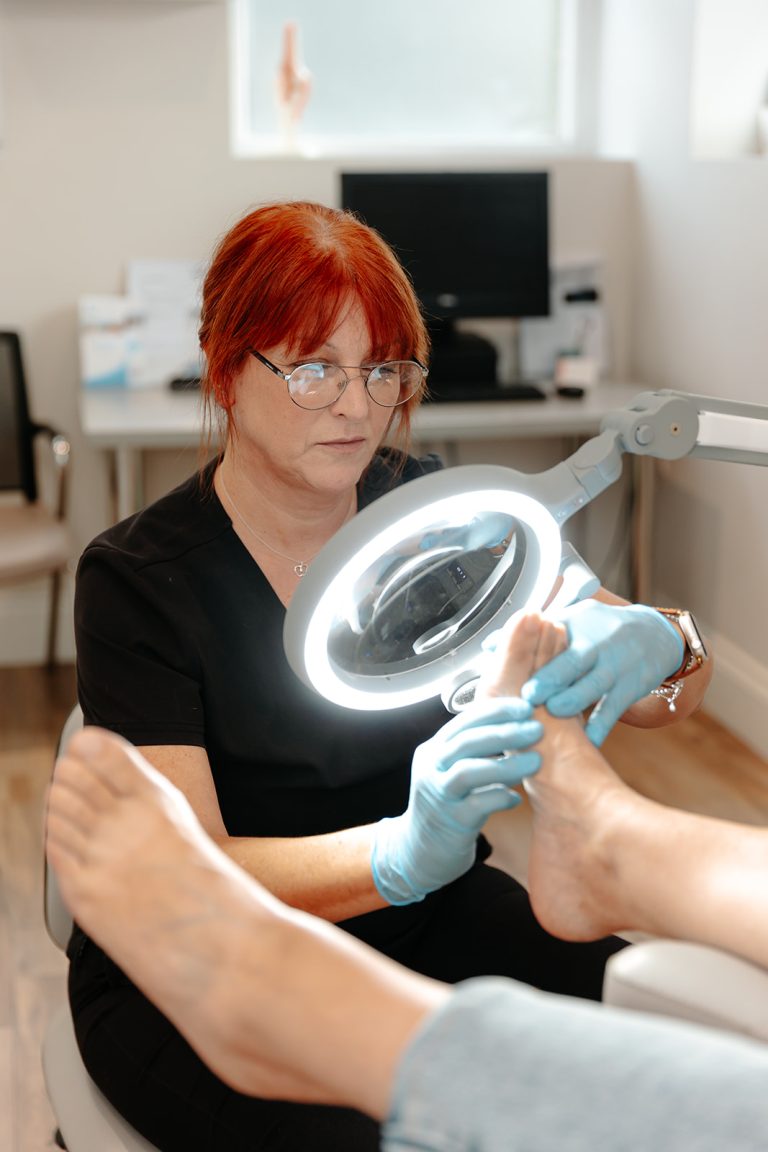
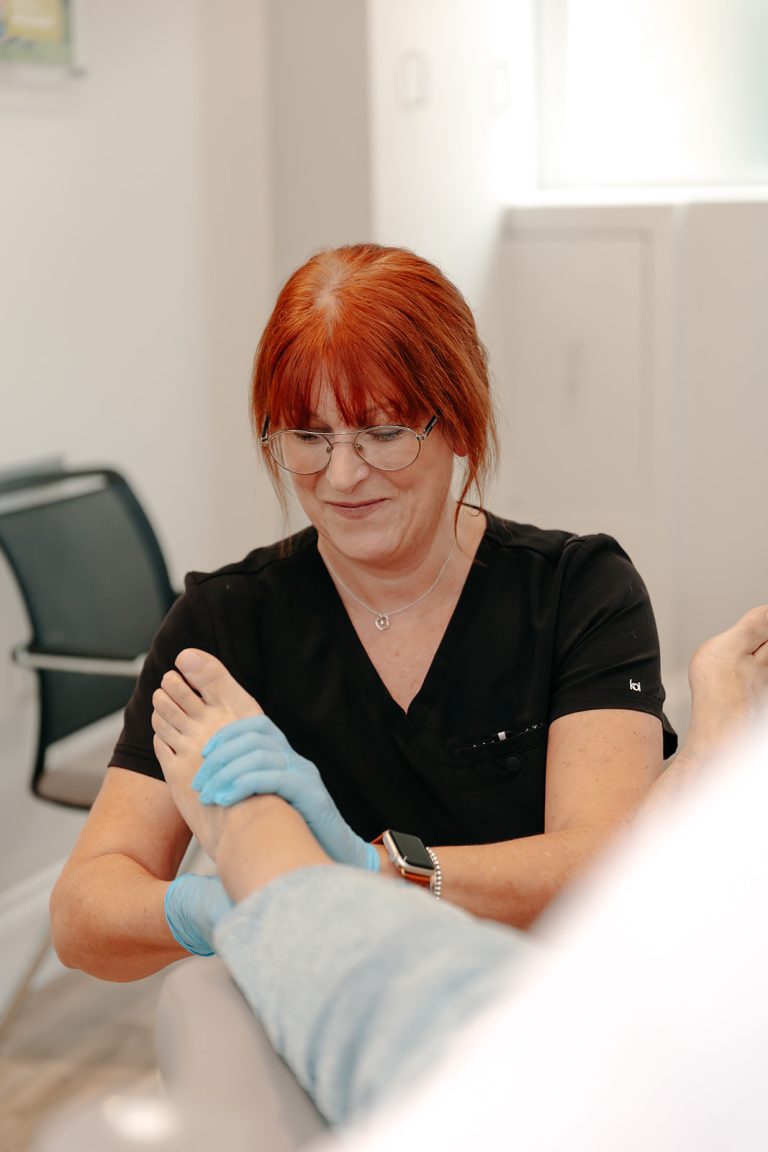
Athlete’s foot, also known as Tinea Pedis, is a contagious fungal infection. It usually presents as scaling, peeling, or small white blisters on the skin, especially between the toes and on the underside of the foot.
Although often mild, athlete’s foot can lead to several problems if left untreated.
It can spread to the toenails (Onychomycosis), leading to thickened, yellow, brittle nails.
The cracked or macerated skin can allow bacteria to enter, which can cause a secondary bacterial infection. Occasionally this can lead to cellulitis, especially in people with diabetes or compromised immunity.
Athlete’s foot can also spread to other skin areas, like the hands and groin. And it’s contagious, so it can spread to other people through contact with infected surfaces.
The fungi that causes athlete’s foot thrive in humid environments. They feed on dead skin in your footwear — or in your socks if they’re not washed at a hot enough temperature, or changed regularly.
You might get athlete’s foot if your feet are warm, sweaty or damp for long periods. For example, if you’re spending a lot of time in wellies or work boots.
You can also catch athlete’s foot from another infected person. This can happen if you’re walking around in communal, damp environments such as gym showers and changing rooms. Even sharing a towel or bathmat with an infected person can lead to infection.
The damage athlete foot causes to your skin and nails can also create portals for infection.
If you have symptoms like these and would like some help from our experts, book a podiatry appointment at our clinic in Devizes, Frome or Marlborough today.
Call: 01380 730473
You can see a podiatrist at our clinic in Devizes, Frome or Marlborough. Book your appointment online or over the phone.
We’ll do a thorough assessment to give you a professional diagnosis and advise on the level of fungal infection.
Your podiatrist will start you on the best and most appropriate course of treatment for your athlete’s foot.
You’ll receive valuable guidance, such as how to sanitise your footwear and to prevent further infections in future.

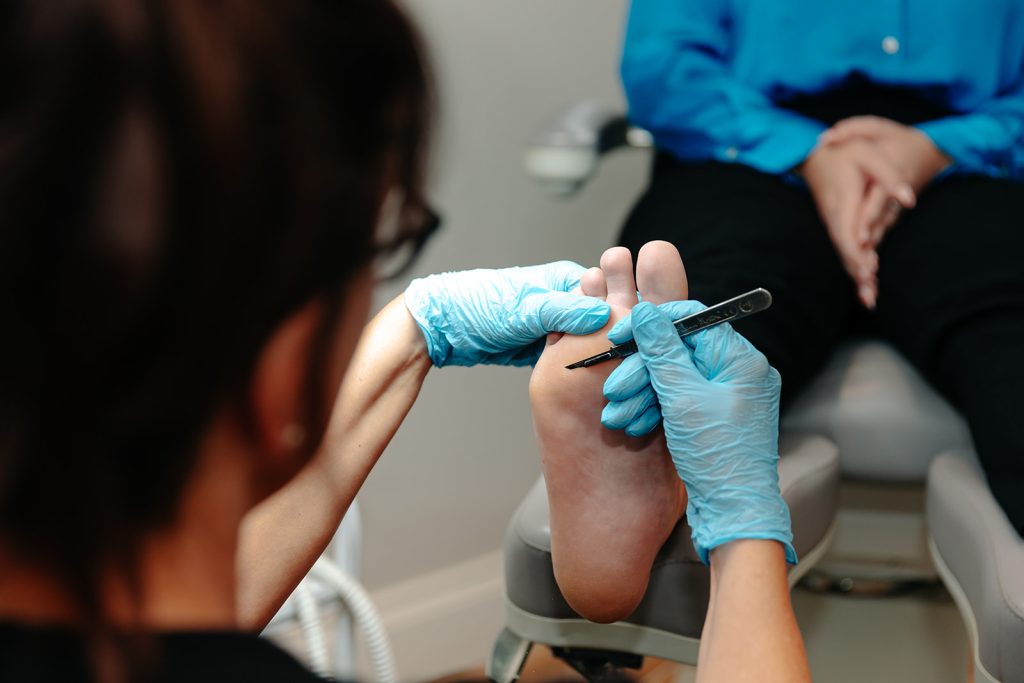

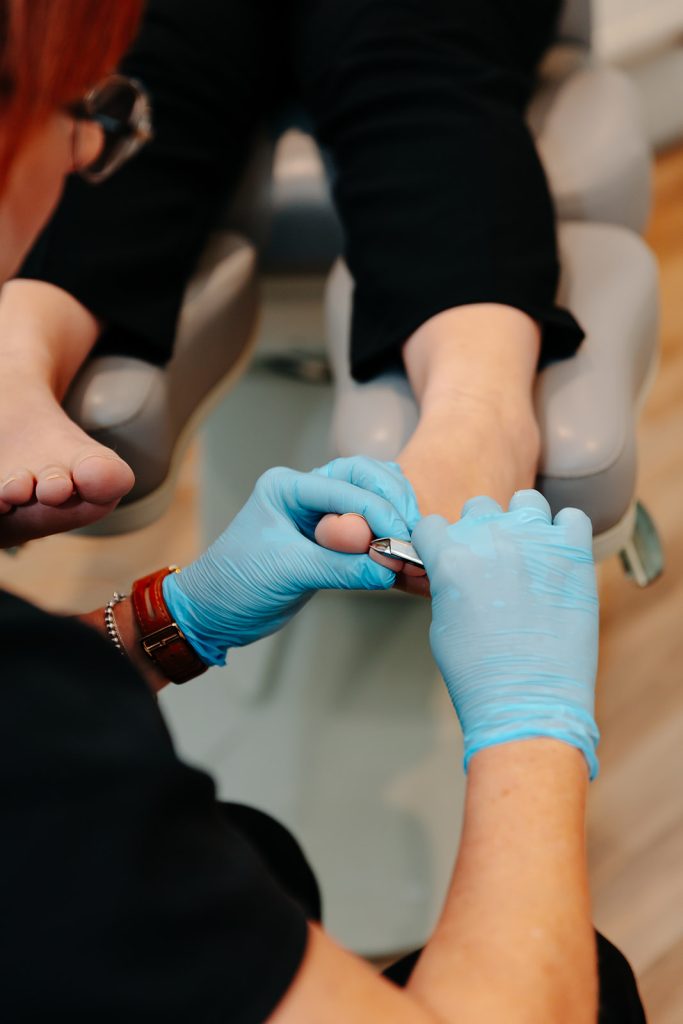

There’s no need to be embarrassed. Our foot care specialists see conditions like athlete’s foot all the time and only want to help you get the care you need.
If you need reassurance, read our article on why foot embarrassment shouldn’t stop you from seeing a podiatrist.
No. The condition needs treatment to prevent the infection from getting worse, spreading to other parts of your body, or being contracted by other people.
Athlete’s foot is treated using a preparation you apply to the skin. This might be a cream, spray or powder. Your podiatrist will prescribe the treatment that’s most appropriate for your age, general health, and level of infection.
Athlete’s foot can spread through direct skin contact or through contact with infected surfaces, like floors, shower trays, towels and bathmats.
Yes, in addition to using a recommended treatment, you should aim to:
Your podiatrist will be able to advise you further.
Advice from our specialists
Hatt Clinic
September 29, 2021
Hatt Clinic
May 21, 2019

Hatt Clinic
February 16, 2023