




Hatt Clinic
October 22, 2018
SCIATICA PAIN TREATMENT
Are you suffering from sciatica pain that radiates down your leg, making it difficult to walk or perform daily activities?
Our sciatica physiotherapists understand the challenges posed by this condition and offer the sciatica treatment you need to find lasting relief.
They’re experts in diagnosing and treating sciatica and will tailor your sciatica physio to meet your unique needs.
Are you:
Ready to take the first step toward pain-free living and improved mobility?
Book your sciatica physio appointment today and discover the difference a sciatica specialist can make in your life.
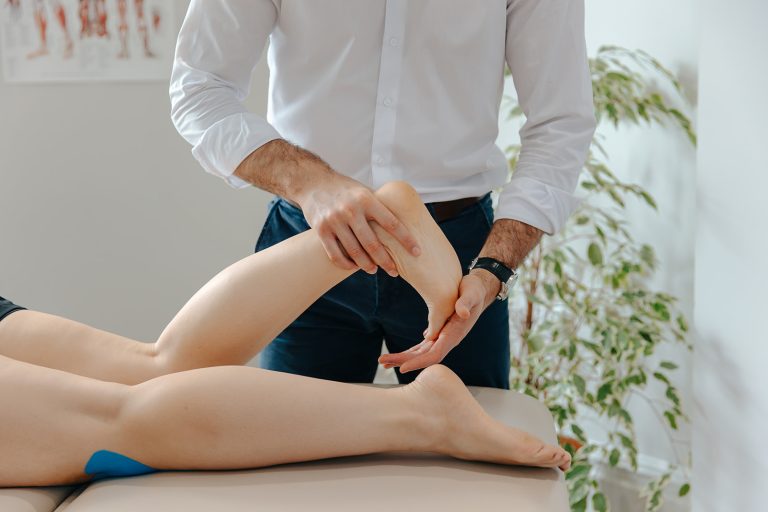
Sciatica can affect people of all ages but certain factors may increase the likelihood of experiencing sciatica. The condition most commonly affects adults between the ages of 30 and 60 years old, pregnant women, and individuals that spend a prolonged amount of time sitting or heavy lifting throughout the day.
There are many different causes of sciatica including:
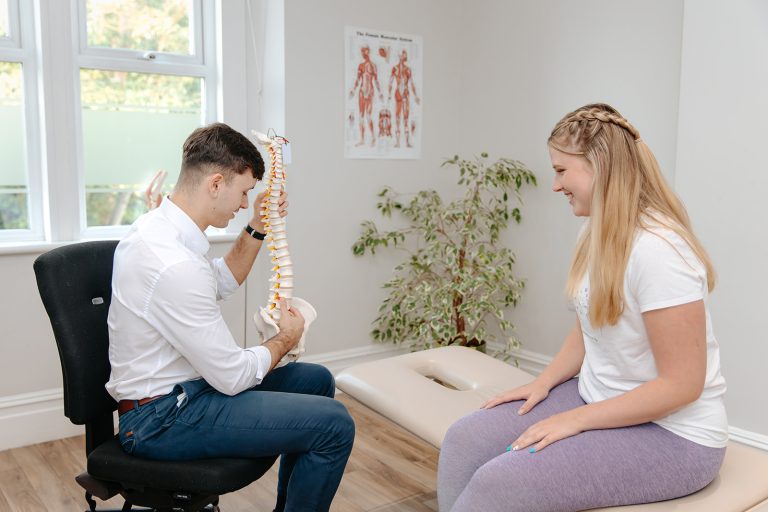
– A herniated or prolapsed disc (commonly known as ‘slipped disc’). Vertebral discs are found between each vertebrae in your spine. Although they are made of tough fibrous tissue, some of the softer centre can prolapse. If you have a prolapsed vertebral disc, its contents can protrude and compress on the sciatic nerve, or even just cause chemical irritation to the nerve. All of these can lead to sciatica.
– Piriformis syndrome. The piriformis is a muscle found deep in the buttock. In around 17% of the population, the sciatic nerve runs directly through the piriformis. If the piriformis becomes tight then this can compress the sciatic nerve causing sciatic tension and sciatica.
– Facet joint dysfunction. Each of the vertebrae in your spine is joined by facet joints (or zygapophyseal joints). A sudden excessive movement of the facet joint or years of constant micro trauma through poor posture or heavy lifting can lead to facet joint dysfunction. This can be a cause of radiating leg pain (sciatica).
Find out more about our treatment options that can help with back pain:
We’ll start by understanding your medical history
We’ll then identify the cause of your sciatic pain and give you a clear diagnosis
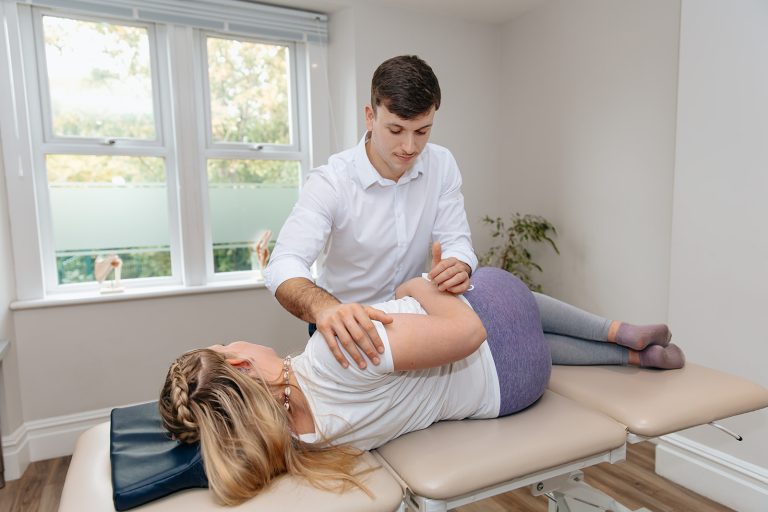
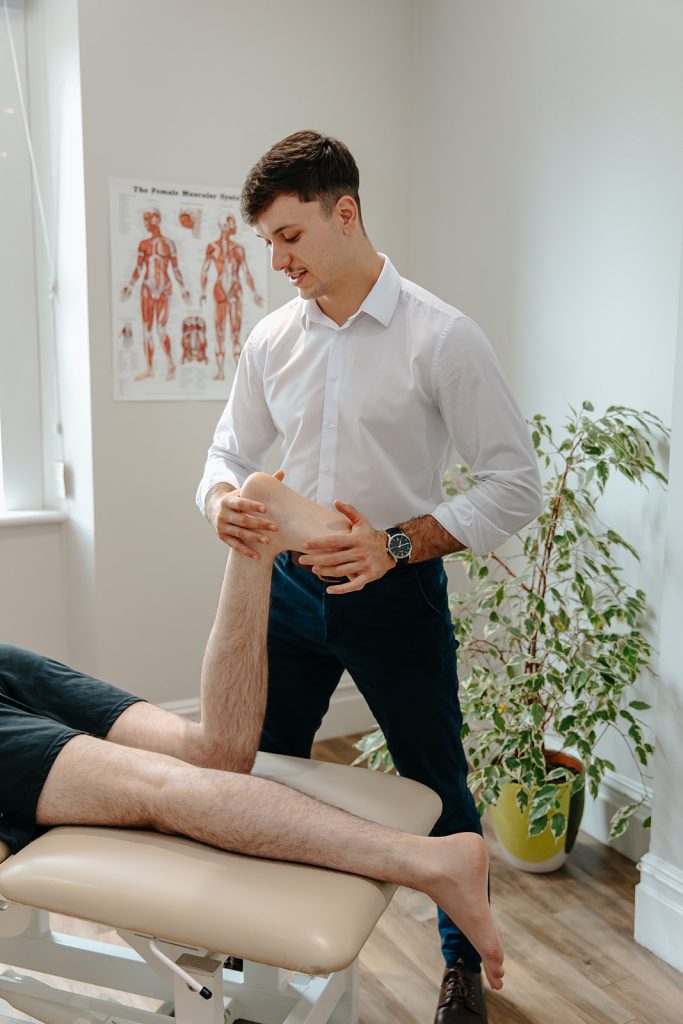
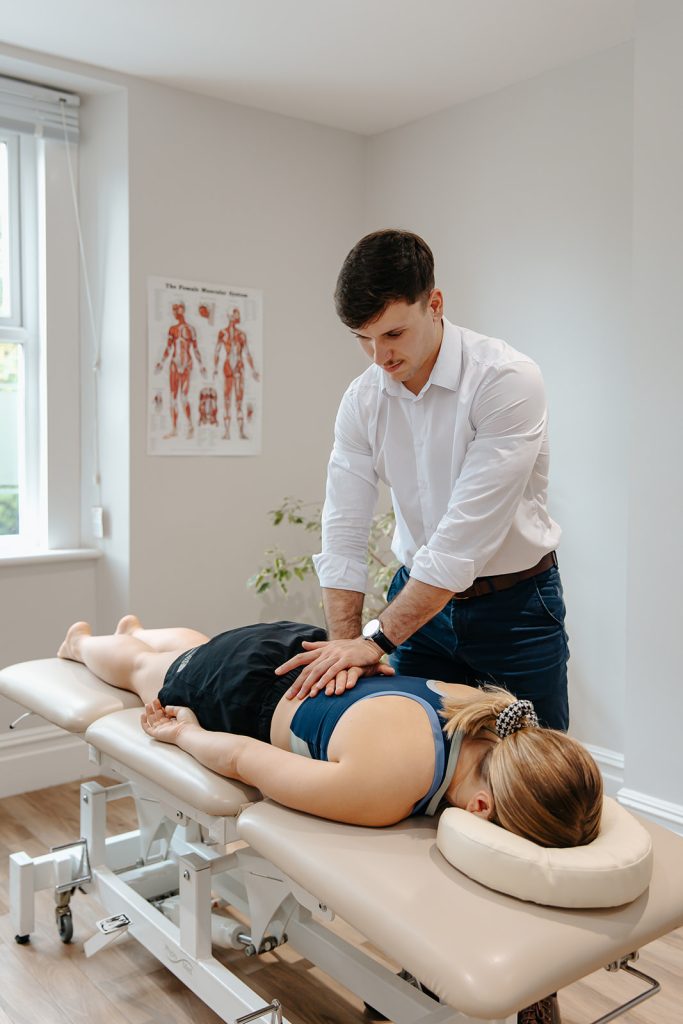
You’ll receive hands on treatment to relieve any sharp, shooting pain
We’ll put together a personalised treatment plan to manage your sciatica
You’ll receive ongoing support from our team to prevent the recurrence of sciatica

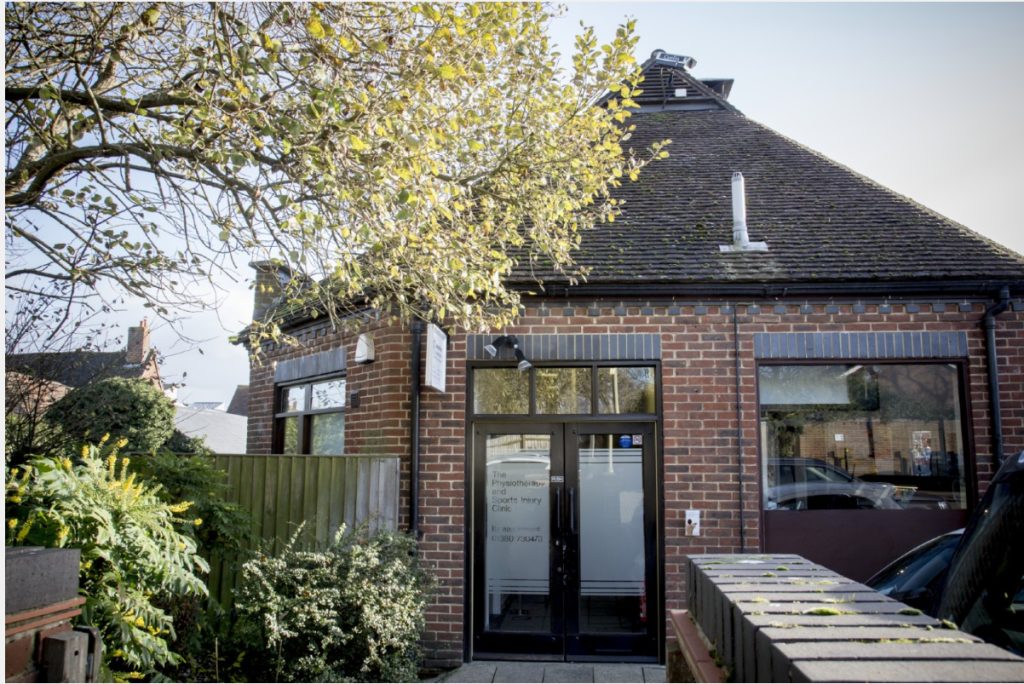
Book a physiotherapy appointment at our Marlborough clinic in Hughenden Yard.
Call: 01672 516580
If pain is travelling from your lower back into your leg, or if symptoms are affecting walking, sitting, or day-to-day activities, it’s a good idea to have it assessed.
Early guidance can help manage symptoms more effectively and reduce ongoing disruption.
Yes.
Physiotherapy is commonly used to help reduce sciatica symptoms, improve movement, and support recovery in a calm and progressive way. Treatment focuses on reducing nerve irritation, improving movement tolerance, and helping you regain confidence in daily activities.
No.
You can book directly with a physiotherapist. If scans or further investigations are needed, this will be discussed with you and appropriate guidance given.
Your physiotherapist will take time to understand your symptoms and assess how your back and legs are moving.
Treatment is guided by your presentation and may begin in the first session, focusing on reducing irritation and improving movement confidence.
Even longer-standing sciatica can often improve with the right approach.
Physiotherapy focuses on gradual progress, helping you regain movement and confidence at a pace that feels manageable and supportive.
Advice from our specialists
Hatt Clinic
October 22, 2018