


Hatt Clinic
October 22, 2018
BACK PAIN CLINIC
Are you suffering with back pain and tired of it taking a toll on your everyday life?
Not only does back pain affect your physical wellbeing, it can also impact your mental health. Trying to get through the day with aggravating back pain, having been told that it will go away with rest and painkillers by your GP, can leave you feeling helpless.
Every day, our back specialists support people with varying degrees of back pain and we’re here to help you get back to living your best life, free from pain.
Are you:
If you said YES to any of the above, you’re not alone!
Back pain can affect anyone at any stage in life but has the highest prevalence during adolescence, and then again in middle age. Back pain is the largest cause of work-related absence in the UK and is a very common condition affecting 7 out of 10 people at some point in their lives.
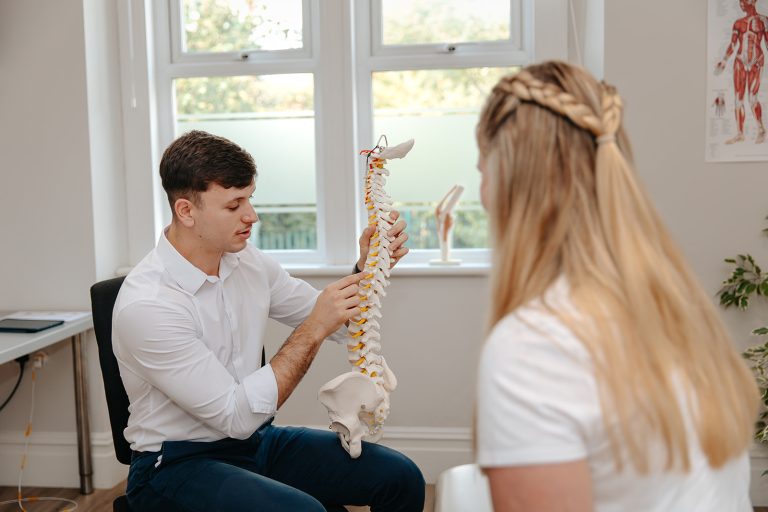
Back pain can be very uncomfortable, but it is usually not serious. It can also be the cause of pain, numbness, weakness, or tingling sensations in the legs, often called sciatica. In the majority of cases, the cause of your back problem can be linked to the way in which the bones, muscles, and ligaments in your back work together and how you have been using them.
If during your episode of back pain you notice changes to your bladder or bowel function you should go straight to your local Accident and Emergency Department as this could indicate a more severe problem.
The lower part of your back, known as the ‘lumbar region’ supports the entire weight of your upper body and is under constant pressure, particularly when you are bending, lifting, and twisting. The complex structure of your back in particular means that even small amounts of damage to any part of the back can cause pain and discomfort.
As a general rule of thumb, you can expect to feel a 60% improvement within the first week, an 80% improvement within one month, and a 90% improvement within 2 months, depending on your situation. However, it may take longer with more severe cases.
Find out more about our treatment options that can help with back pain:
We’ll start by understanding your medical history
We’ll then identify what is causing your back pain and give you a clear diagnosis
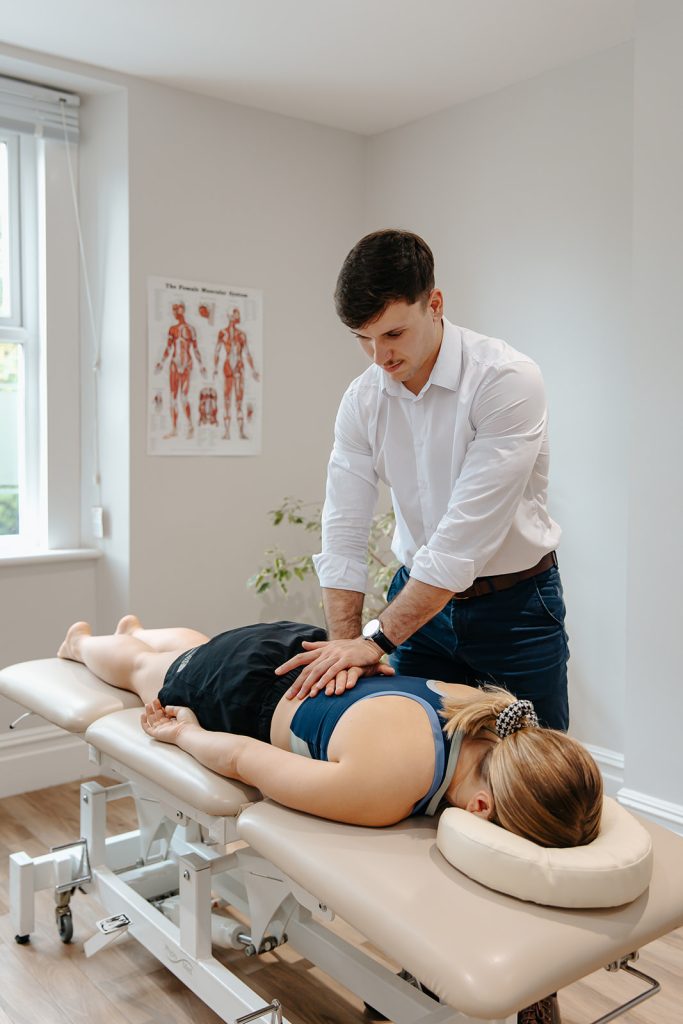
You’ll receive hands on treatment to relieve your pain (if needed)
We’ll put together a bespoke treatment plan to manage your pain
You’ll receive ongoing support from our team to resolve your back pain

If your back pain is persistent, recurring, or affecting your ability to work, sleep, or move comfortably, it’s a good idea to get it checked.
You don’t need to wait until the pain becomes severe. Early support can often prevent symptoms from becoming more limiting.
Yes.
Physiotherapy is one of the most common and effective approaches for managing back pain. It focuses on reducing pain, improving movement, and building strength and confidence in how your spine tolerates everyday activity and load, rather than relying on rest or pain relief alone.
No.
You can book directly with a physiotherapist. If scans or further medical input are needed, your physiotherapist will guide you appropriately.
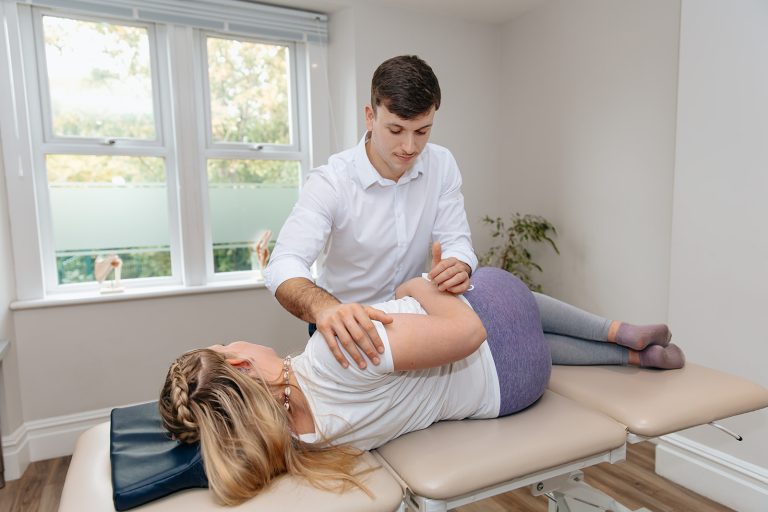
Your physiotherapist will start by taking time to fully understand your symptoms, your medical history, and how your back pain is affecting your day-to-day life. They will assess how your back moves and identify what may be contributing to your pain.
Treatment usually begins in the first session and is initially focused on reducing pain and settling symptoms.
Once your pain is under control, your physiotherapist will then work with you to identify and treat the underlying cause of your back pain, helping you move better, feel stronger, and reduce the risk of it returning.
If you’ve had back pain for a long time, it can start to feel like it’s just something you have to live with. In reality, it is very often possible to make meaningful improvements, even when pain has been present for years.
At Hatt Clinic, physiotherapy for long-standing back pain focuses on understanding why symptoms keep returning. This includes assessing movement patterns, strength, flexibility, how your back tolerates load, and how daily activities may be contributing to flare-ups.
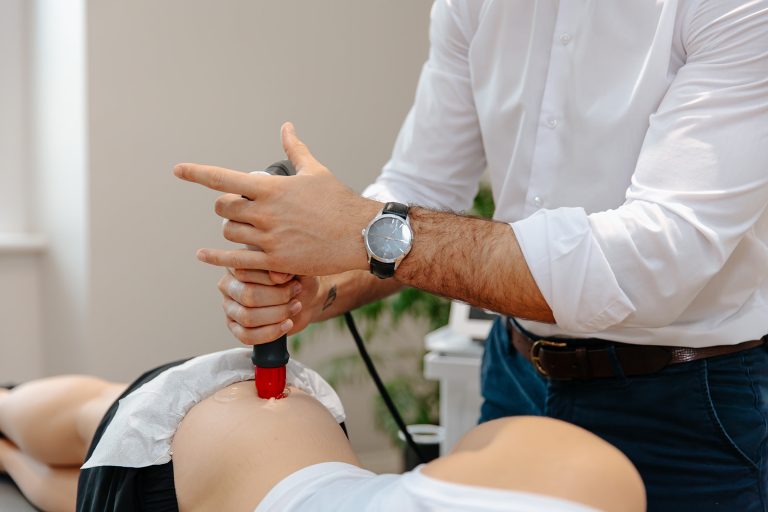
Treatment goes beyond short-term pain relief. It may include hands-on treatment, specific strength and movement work, and a structured plan to rebuild confidence in movement and everyday activities.
The goal is to help you feel more in control of your back, move with greater confidence, and reduce both the intensity and frequency of future flare-ups.
Advice from our specialists
Hatt Clinic
October 22, 2018