
Hatt Clinic
February 02, 2026
January 04, 2023

Updated October 20th, 2025
Who should you see if you have a musculoskeletal issue, such as back pain or shoulder pain?
Your first thought might be to go to your GP. Because your GP is usually your first port of call for your medical needs and onward referrals.
But what if there was another way? Someone who could see you faster and give you the support you need to recover more quickly.
In this article, we’ll look at the main differences between GPs and physiotherapists. And we’ll help you understand when it might be better to see a physio vs a GP.
General Practitioners deal with general medical issues.
For musculoskeletal problems, they can:
If your issue is non-urgent, it’s likely you’ll be waiting more than a week to get an appointment with your GP.
The majority of non-urgent GP appointments are delivered within two weeks. But, in some cases, it can be more than 28 days.
If you have musculoskeletal pain, it might not be reviewed for a few weeks — and it could be getting worse while you’re waiting.
But, if the pain is affecting or limiting your life, you might not want to wait.
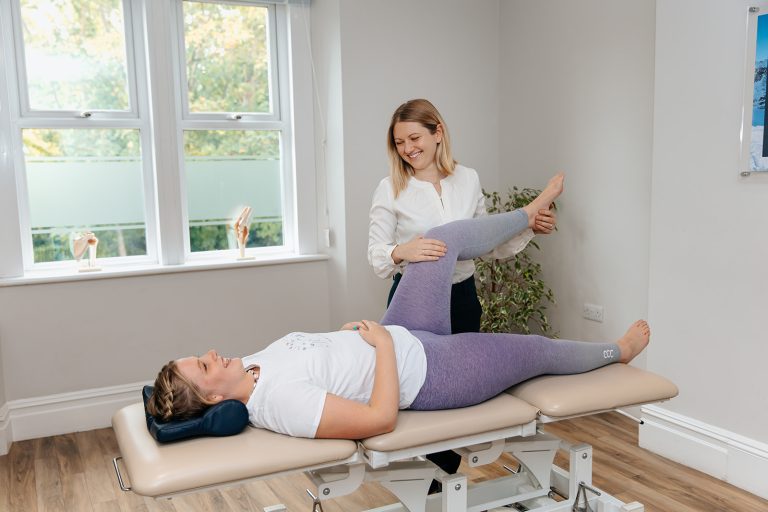
If you have a musculoskeletal issue, it’s often quicker and easier to see a physiotherapist.
You can go to a physiotherapist directly, without needing a referral from your GP.
For musculoskeletal problems, they can:
A physiotherapist looks at musculoskeletal problems alongside respiratory, neurological and other complex conditions.
When they assess your problem, physiotherapists are able to pick up on any issues that might put you more at risk of injuries. Because the biggest single risk of a new injury is previous injuries.
Physiotherapists not only help with new or sporting injuries. They’re also happy to help with the management of long-term conditions. These can include headaches, back pain, foot pain, and everything in between.
Did you know that every year, one in five UK adults will consult their GP for a musculoskeletal condition.
And did you also know that physiotherapy and exercise are two of the best ways to manage musculoskeletal symptoms?
They can even help with managing osteoporosis, which affects 3.5 million people in the UK.
A physiotherapist will write a letter to your GP and make them aware of any issues they find. The letter will let your GP know if their help or input is also required.
If you feel unwell, it’s still important that you see your GP.
You should see your GP first if you have:
Red flag symptoms are symptoms that require medical investigation.
Examples include:
If you have symptoms like these, it’s best to go straight to your GP.
If you have an injury that may need medical treatment, like a suspected fracture or dislocation, you should see your GP first.
If you have musculoskeletal pain with other symptoms — like fatigue, rashes, or widespread stiffness — there could be an underlying condition.
In this case, it’s best to get checked by your GP before you do anything else.
If your musculoskeletal pain needs stronger painkillers than you can buy over the counter, you’ll need your GP to prescribe those for you.
And if you’re managing multiple conditions, you’ll need your GP to make sure the different medications you’re taking are compatible and aren’t going to cause you harm.
You may need referring to a specialist for tests or to be considered for surgery. Your GP will be able to make those referrals for you.
You can choose to go direct to a physiotherapist for the following issues.
A physiotherapist can help with aches or pains in your your muscles, bones, joints or ligaments.
It could be pain in your neck, shoulder, arm, back, hip, or knee. Or pain from a sprain, strain or sports injury.
If stiffness or weakness is impacting your mobility and limiting your daily activities, a physiotherapist can support you.
They can provide hands-on treatments to loosen stiff, tight muscles. Or devise an exercise plan to help strengthen weak muscles.
Physiotherapists can offer treatment and exercise to help with conditions including arthritis, tendonitis and repetitive strain.
If you’ve had surgery, a physiotherapist can support your recovery and rehabilitation.
This could be orthopaedic surgery, like a joint replacement, repair or fusion. But it can also extend to other procedures, including cardiac, neurological and abdominal surgery.
Work-related pain can be varied. From excessive sitting and desk work to repetitive strain, overexertion and manual handling injuries.
A physiotherapist can help with treatment, exercises and recommendations to help you work more comfortably and prevent injury.
Musculoskeletal injuries can be painful and inconvenient. They can put you out of action for weeks or months.
A physiotherapist can help, with advice on how to work, exercise or train safely, using better techniques.
If you have a musculoskeletal issue and would like to see a physiotherapist, you can book an appointment at Hatt Clinic.
We have a team of physiotherapists and sports physiotherapists who can support your recovery. So you can get back to the things you love and enjoy doing.
To book an appointment online, visit our online booking page and select initial physiotherapy from the menu.
Alternatively, you can email us at: enquiries@hattclinic.co.uk
Or call the clinic:
Devizes: 01380 730473
Frome: 01672 516580
Marlborough: 01373 452604
Hatt Clinic
February 02, 2026

Hatt Clinic
September 14, 2017

Hatt Clinic
January 07, 2023