
Hatt Clinic
February 03, 2026
July 18, 2023
Updated Oct 6th, 2026
Plantar fasciitis — also called plantarfasciopathy — is a condition affecting the bottoms of the feet. It occurs when the strong fibrous tissue that joins the heel to the ball of the foot becomes irritated and inflamed. This causes pain in the heel, which can spread to the ball of the foot.
The condition affects approximately 10% of the population and is most commonly seen in middle-aged adults and athletes. Its name is derived from the words plantar: the bottom of the foot, and fascia: the fibrous connective tissue responsible for supporting the arch and transmitting weight across the foot as you walk or run.
Plantar fasciitis heel pain is a sharp pain in the bottom of the heel. The feeling has been described as like walking on a marble.
The pain is usually worse when you first stand up in the morning, or if you walk or run after a period of inactivity. It gradually gets better as you start moving around, but will worsen again if you stand, walk or run for an extended period.
It can also hurt if you stretch the bottom of your foot, for example if you stand on tiptoe or lift your toes off the floor.
In some cases the pain can spread from the heel along the bottom of the foot. This is where the plantar fascia extends to join the ball of the foot.
Irritation or inflammation of the plantar fascia can be due to intrinsic factors, which are specific to you, or extrinsic factors, which are caused.
Intrinsic factors include:
Extrinsic factors include:
Yes, plantar fasciitis is curable and most people make a full recovery. But this only comes after following medical advice and getting the right treatment.
Treatment for plantar fasciitis needs to address the cause of the issue and this can be different from person to person.
Recovery can take several months and typically takes longer if you’ve had the symptoms for a while before you take action.
Hatt Clinic has a number of effective treatments to help expedite your recovery from plantar fasciitis.
The first step is to get a conclusive diagnosis and determine the root cause of your plantar fasciitis. For this, you’ll need a gait analysis appointment with one of our podiatrists.
Following the gait assessment, your podiatrist will recommend a treatment plan that’s tailored specifically for you.
Here are some of the measures and treatments we can offer at the clinic.
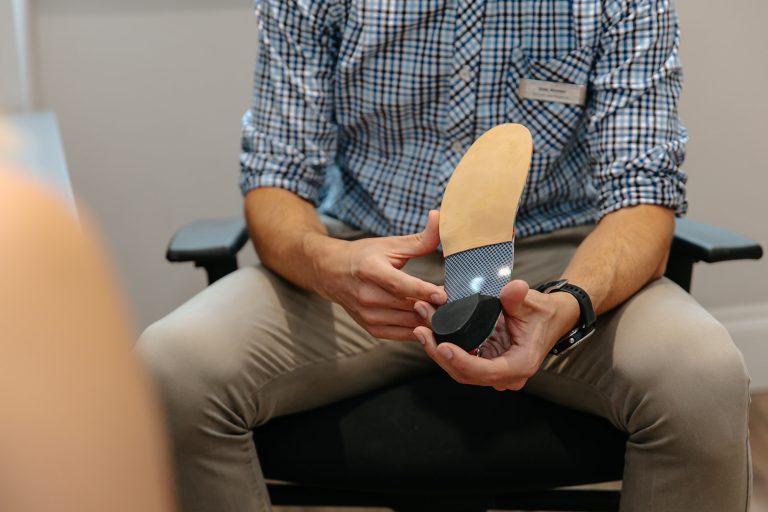
Orthotics are insoles that are custom-made for your feet. They’re one of the most effective treatments for plantar fasciitis because they give you the exact support you need to address the cause of your plantar fasciitis and help restore your foot’s normal function.
Shockwave therapy is an effective treatment for chronic or resistant cases of plantar fasciitis. It works best alongside exercise rehab and helps to increase your healing capacity.
The aim of shockwave therapy is to re-kickstart the healing process. Our bespoke exercise rehab programme will help to control how the tendon heals, making it stronger and more robust.
If your plantar fasciitis is caused by weak muscles, we may recommend you to see one of our physiotherapists or rehab therapists.
They could help by creating an individually prescribed exercise programme that will help you build strength where you need it.
Corticosteroid injections are targeted anti-inflammatory treatments. They’re an excellent short-term measure to help relieve the pain of plantar fasciitis.
They can be used in combination with some other treatments, like stretching, strengthening and custom-made orthotics. But they can’t be used with shockwave therapy as they have opposing mechanisms of action.
The injections may be an option if more conservative treatments — like shockwave therapy, exercise rehab, or orthotics — have been unsuccessful. We don’t offer them in the clinic, but we can refer you to an NHS or private clinic for further consideration.
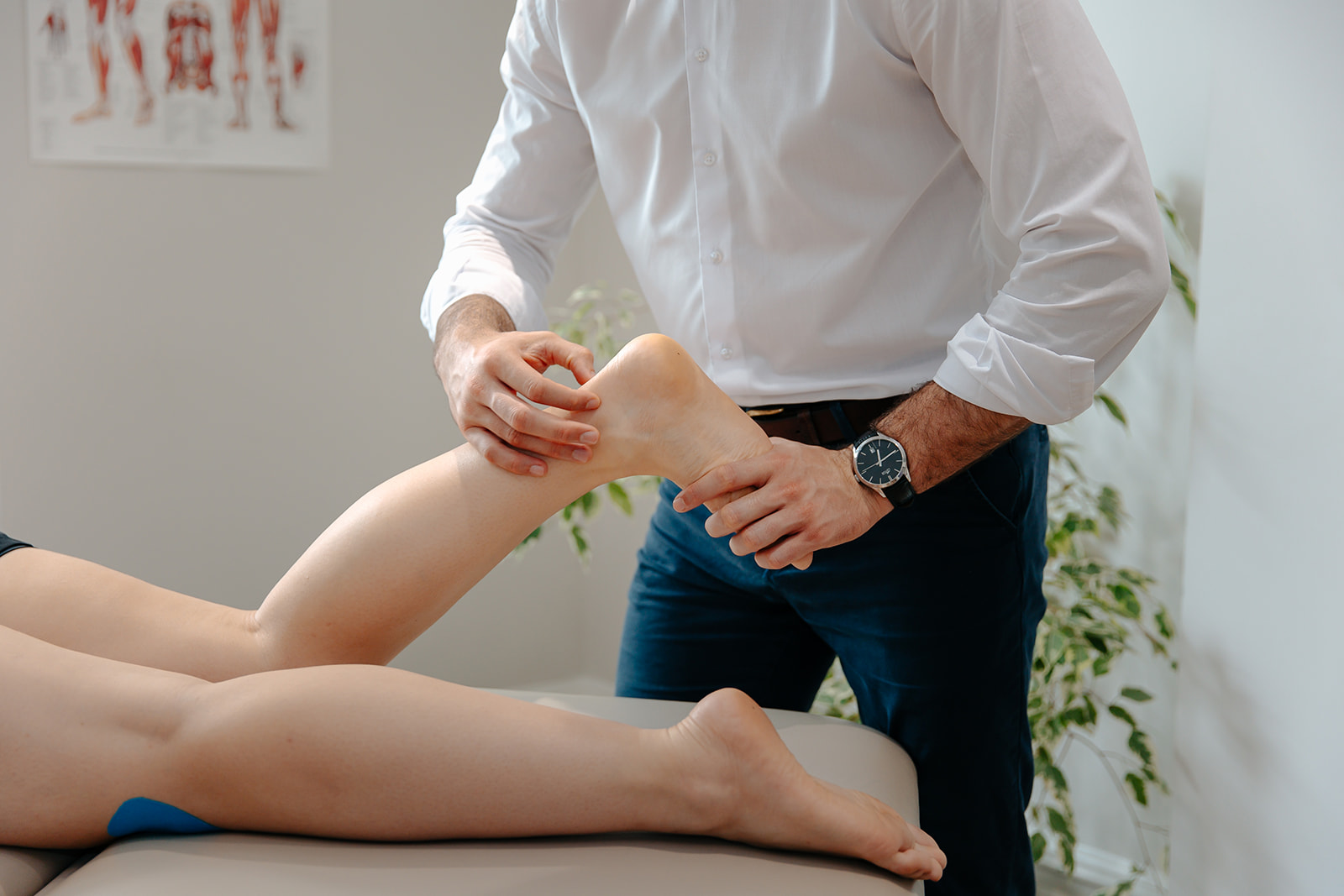
If your plantar fasciitis is caused by tight calf muscles, we may recommend you to see one of our manual therapists. They’ll address the root cause of the problem by easing the muscle tension.
Plantar fasciitis tends to be more painful in the morning. This is because your toes naturally point down when you’re in bed and this tightens the muscle.
A night splint is a supportive brace that keeps your foot and calf at a 90-degree angle while you’re sleeping. It prevents the muscle from tightening so you can walk more comfortably when you first get out of bed.
Here are some steps you can take to relieve your symptoms at home:
If you have heel pain and suspect it may be plantar fasciitis, you should start by booking an initial gait analysis appointment.
The gait analysis will give you a conclusive diagnosis and determine the root cause of the issue. We can then provide a personalised treatment plan to aid your recovery.
As a multidisciplinary clinic, we offer a coordinated approach with a range of complementary services, including physiotherapy, exercise rehab and manual therapy. So you can be sure you’ll get everything you need under one roof.
To book an appointment online, visit our online booking page and select initial gait analysis from the menu.
Alternatively, you can email us at: enquiries@hattclinic.co.uk
Or call your nearest clinic:
Devizes: 01380 730473
Frome: 01672 516580
Marlborough: 01373 452604
Hatt Clinic
February 03, 2026
Hatt Clinic
September 12, 2017
Hatt Clinic
September 27, 2017