
Hatt Clinic
May 01, 2026
April 13, 2026
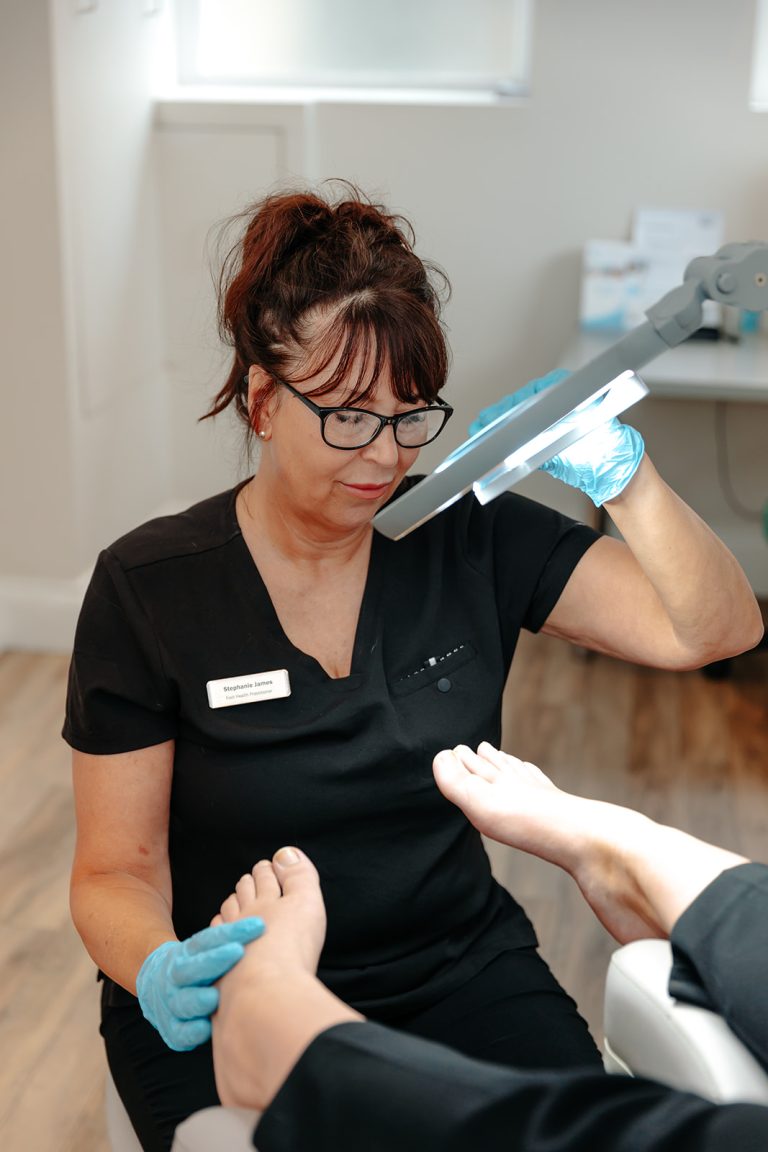
Bunions are bony lumps that develop on the side of the foot. In some patients, these lumps grow, becoming prominent and painful.
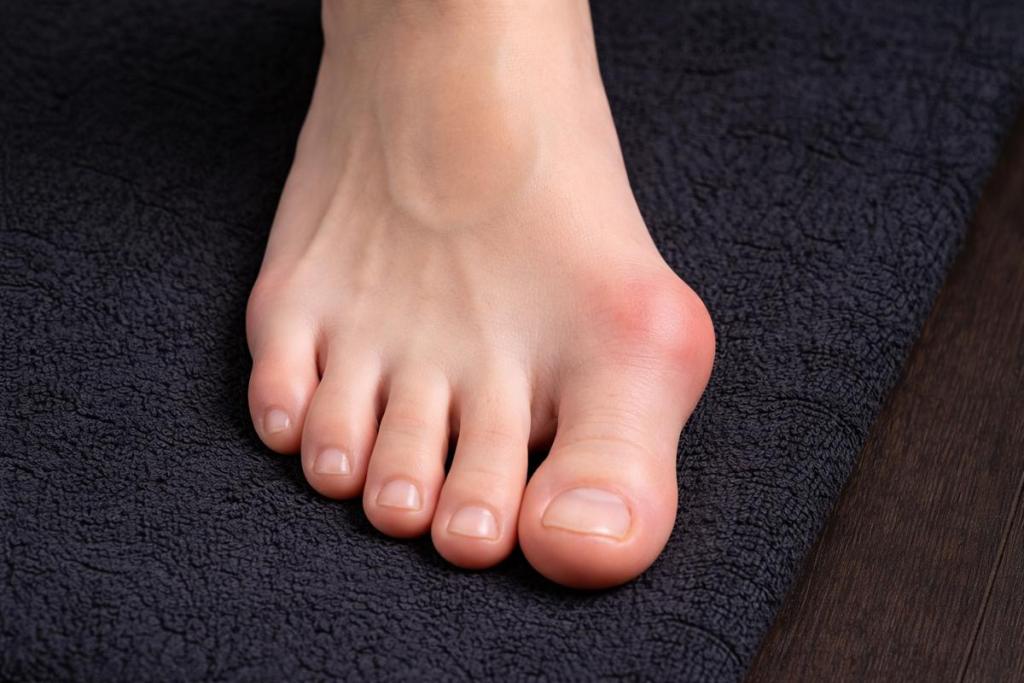
Most bunions look like this. A hard lump at the base of the big toe. The skin around the bunion may be swollen, hard and rough — and it could appear red or darker than normal.
As it grows, the bunion gradually pushes the big toe outwards, towards the other toes.
It’s reported that, globally, 23% of people aged 18-65 and 35% of over-65s have bunions.
Women are more than twice as likely to get bunions as men. Of the 14 million people in the UK who suffer with bunions, 10 million are women.
Bunions can be painful, especially when you’re standing or walking on them. They can also hurt if you’re wearing poorly fitting shoes that don’t support your feet.
The pain can discourage you from doing things you enjoy, like going out, walking, and exercising.
In a survey of UK women with bunions:
Bunions are often blamed on tight, narrow footwear, but this isn’t the only cause
In some cases, bunions are hereditary and caused by genetics. And you might be more prone to bunions if you have a flatter foot.
Longer term conditions, such as gout, rheumatoid arthritis and MS can also increase your risk of developing bunions, as they impact the way you walk.
If you have a bunion, your podiatrist won’t be looking to blame or judge you for it. Their priority will be helping to relieve bunion pain, making you more comfortable, and giving you options for treatment if it’s appropriate.
Bunions are usually diagnosed by a podiatrist in a physical examination. If any further tests are needed, your podiatrist will discuss those with you.
Bunions can get bigger and more painful over time.
The best way to manage them is to seek early treatment and follow your podiatrist’s advice.
Bunion pain is described as a soreness, ache or burning pain from the joint at the base of the big toe. The pain may be accompanied by swelling, redness or warmth. The toe may also feel stiff, making it painful to move, stand or walk for longer periods.
The joint at the base of the big toe might be visibly swollen and protruding. The enlarged joint is a result of alignment changes. The big toe, which is usually aligned with the centre of the body, starts to push outwards towards the second toe. The change in alignment can also cause corns or calluses, which add to the pain.
Surgery is the only way to correct bunions, but there are a number of non-surgical options to relieve bunion pain and prevent them getting bigger.
Here are some of the options that might be available to you.
Surgery might be the best option if you have a bunion that’s:
According to Bupa, there are more than 100 different kinds of bunion surgery. The best option for you will depend on the size of your bunion, your lifestyle, and your general health.
But, like all surgeries, bunion surgery carries risks and many people prefer to seek advice on how to manage their bunions themselves.
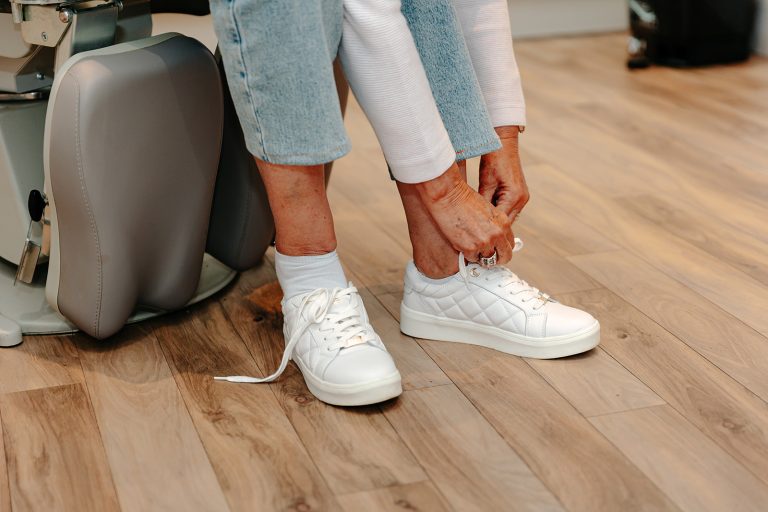
If you have a bunion, choose footwear with a wider and deeper toe box that will accommodate the enlarged joint or changed alignment. Look for a thicker, cushioned sole that will be more supportive and, ideally, a soft lining that won’t irritate your feet.
Suitable brands include:
If you need more guidance, your foot care specialist will be happy to advise you.
Exercising your feet will help to build muscle strength and relieve pain when walking.
Foot care specialists can advise you on the exercises you need to do and show you the correct technique.
There are a couple of wearable options that could make a difference: bunion pads, which offer additional support to prevent the bunion from rubbing against your shoes. And toe supports, which prevent your big toe from rubbing against your other toes.
These are both good short-term measures for avoiding soreness and discomfort. If you need more long-term relief, a specialist podiatrist or gait assessment specialist can help. They’ll be able to provide bespoke orthoses (shoe inserts), padding, or splints to support the joint.
If you need occasional pain relief, use over-the-counter medications, like ibuprofen.
You can relieve sporadic pain by wrapping ice in a towel and holding it against the joint.
Resting the joint when it becomes painful can also help.
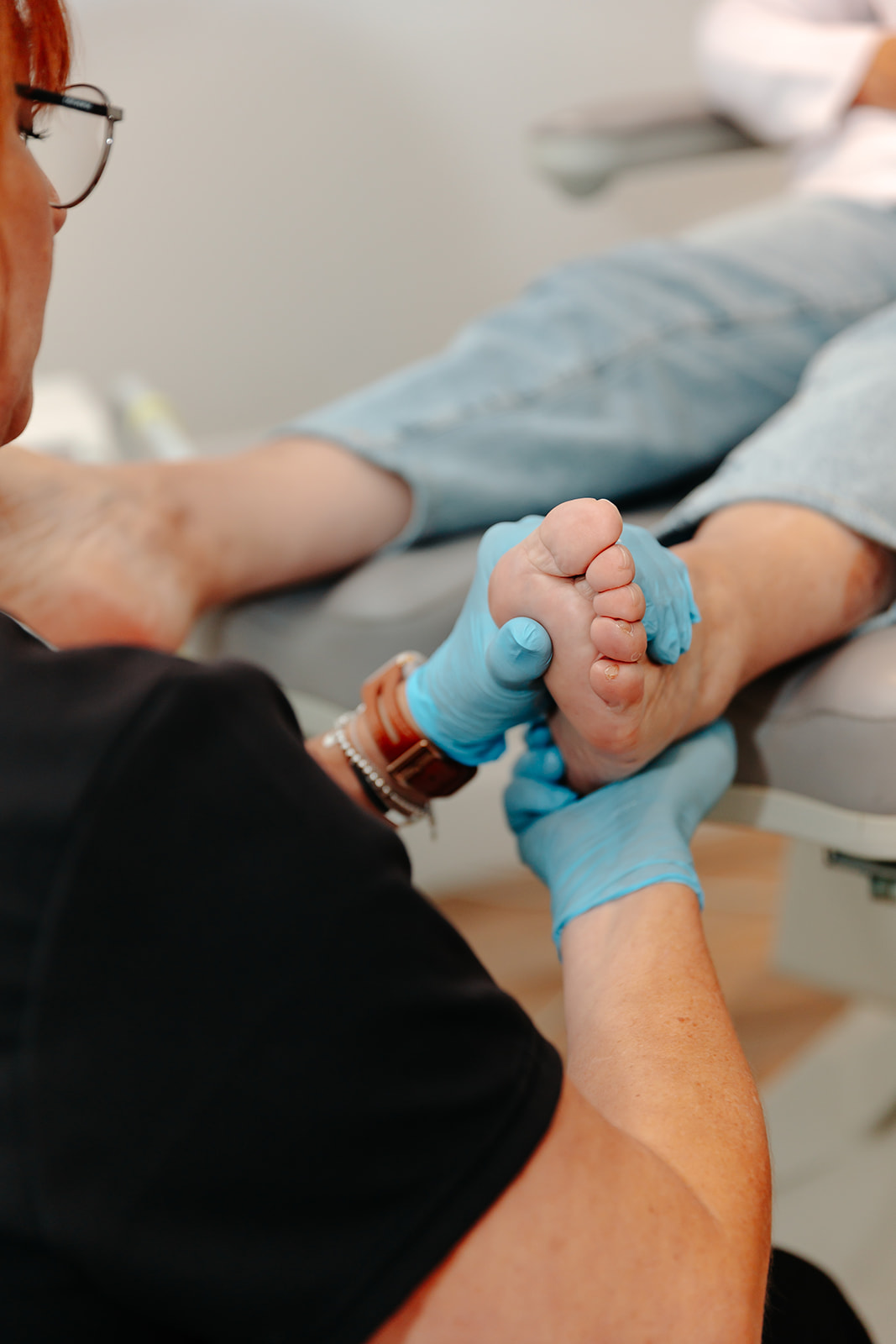
Your podiatrist will be able to check your feet for changes, remove any painful hard skin and give additional advice, if you need it.
If you think you might have a bunion, our podiatrists will give you a professional diagnosis. They’ll give you the support you need to relieve bunion pain and manage the condition, or refer you for surgery if necessary.
If you have a bunion, but feel too embarrassed to see a podiatrist, this article should give you the reassurance to book an appointment.
We offer podiatry at all three of our clinics, in Devizes, Frome and Marlborough.
To book an appointment online, visit our online booking page and select initial chiropody/podiatry from the menu.
Alternatively, you can email us at: enquiries@hattclinic.co.uk
Or call your nearest clinic:
Devizes: 01380 730473
Frome: 01672 516580
Marlborough: 01373 452604
Hatt Clinic
May 01, 2026
Hatt Clinic
February 16, 2023
Hatt Clinic
September 12, 2017