
Hatt Clinic
February 15, 2018
July 12, 2024
Updated December 18th, 2025
Musculoskeletal pain is pain in your muscles, joints, bones, tendons and/or ligaments.
If you have pain like this, you’re not alone. According to the NHS, more than 20 million people in the UK have a musculoskeletal condition, like back pain or arthritis.
Chronic musculoskeletal pain can be debilitating. It can make everyday activities more difficult and impact your quality of life.
If you’re suffering with pain due to an injury or long-term condition, you might have been considering manual therapy.
And you might have questions, like:
In this article, we’ll provide answers to these questions and more.
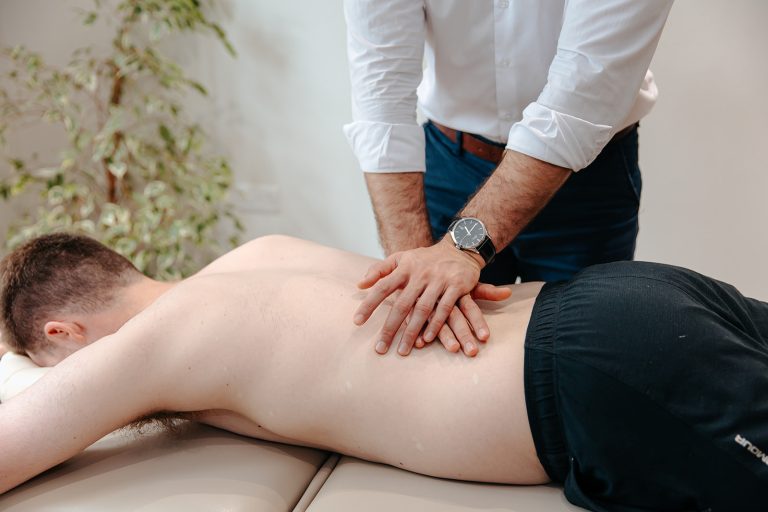
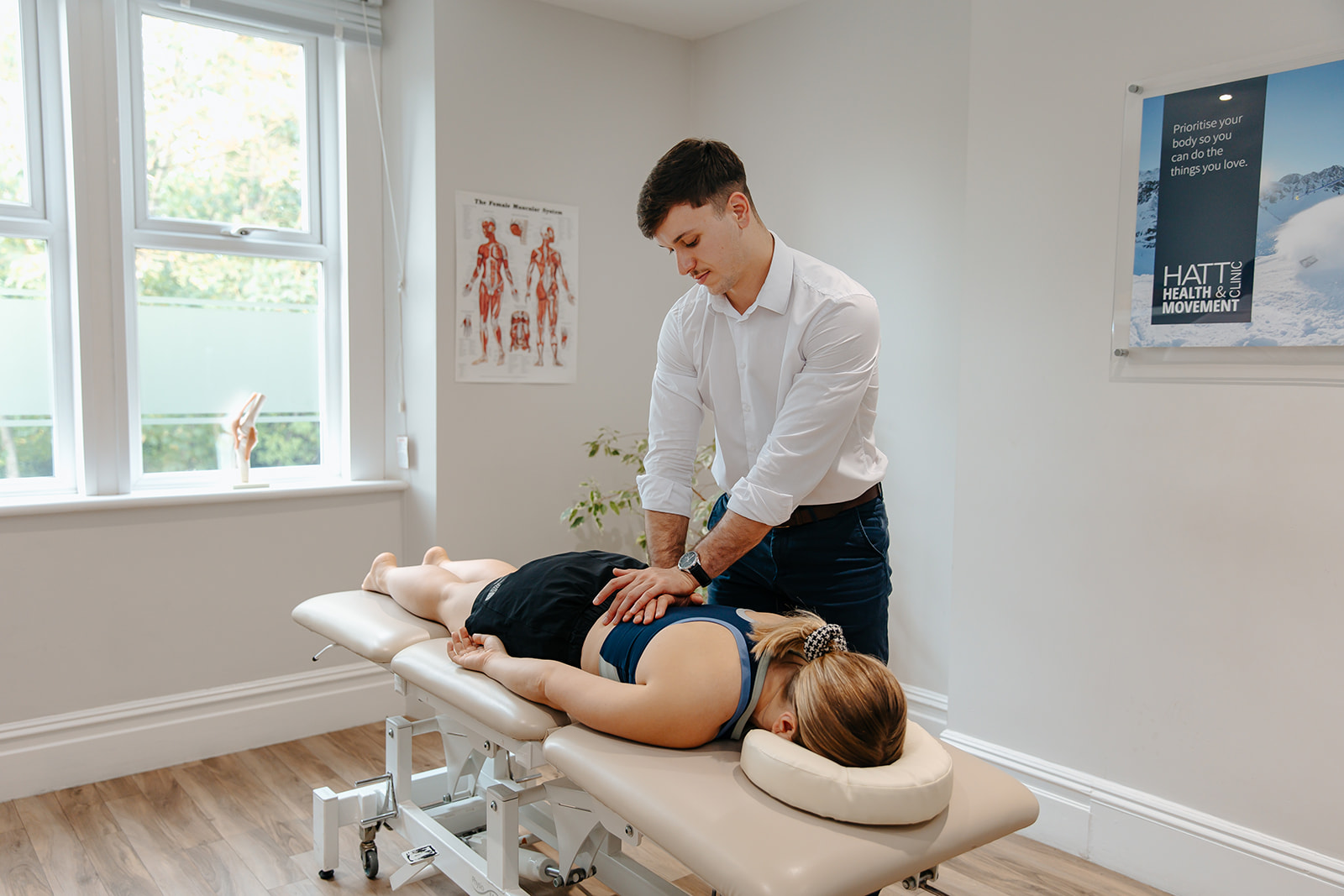
Manual therapy is a form of physical therapy that uses hands-on techniques to assess and treat your soft tissues and joints. It can include massage and a range of other treatment options, depending on your condition and level of pain.
The end goal is to relieve your pain and leave you feeling better and more mobile.
Manual therapy might be recommended as part of a wider treatment plan. It’s often coupled with exercise therapy to help you get back to the active lifestyle you enjoy.
Manual therapy can benefit many people, with a range of different needs.
It could be right for you if you’re one of the following:
If you’re an athlete, or you participate in athletic activities, manual therapy can help you recover from injuries sustained during sports or training. It can help to reduce your risk of injuries, or address specific injuries that are hindering your performance.
People of all ages can experience pain and stiffness. Whether you’re 9 or 90, manual therapy can help restore your mobility and improve your quality of life.
If you’re looking for ways to manage your stress levels, manual therapy can help soothe your muscles and relieve the tension.
Manual therapy can help if you’re recovering from injury — especially soft tissue injuries, like sprains, strains and muscle tears. Combining manual therapy with physical therapy can often be an effective treatment.
If you have a chronic condition, like back pain or arthritis, regular manual therapy sessions can ease your pain. It can also help to manage your symptoms and prevent further complications.
Manual therapy can help if you’re going through post surgery rehabilitation. It can speed up the healing process and improve your range of movement, so you can get back to exercising and the activities you enjoy.
Manual therapy works by:
Manual therapists assess and treat joint and soft tissue disorders using hands-on techniques and manual therapy tools.
During your sessions, your therapist will apply firm, but safe, pressure to massage, stretch, and mobilise the areas where you’re experiencing pain.
Manual therapy can help to relieve pain in your muscles or joints, whether that’s due to an injury or long-term condition.
Some of the common conditions that can be treated with manual therapy include:
Manual therapists use a range of techniques, including:
Gentle movement of the joints to improve range of motion and reduce pain.
Techniques such as deep tissue massage to target muscles, tendons and ligaments.
Targets the fascia (connective tissue) by applying gentle pressure to release tension.
Targets specific areas of muscle tension, or “knots” to relieve tension and pain.
Manual stretching techniques, like PNF (Proprioceptive Neuromuscular Facilitation) stretching, to improve your range of motion.
Regular massage to soothe and mobilise muscles, with the capacity to work into much deeper layers where needed.
Manual therapists offer a range of tool-based therapies, including:
Suction cups are used to stimulate the treated area. This helps to reduce tension and increase blood flow.
Hot stones are applied to targeted areas of the tissue, helping to release tension and promote relaxation. As the muscles loosen up, your manual therapist can work deeper within the tissues to achieve the best results.
Rock blades are used for instrumental soft tissue mobilisation (IASTM).
They help to:
Rock Blades are effective because they provide deeper penetration of adhesions and scar tissue. They can also be used to treat injuries, and pain in the joints, lower back and neck.
Physiotherapy and manual therapy often work hand in hand, but they each play a different role in how you recover.
Physiotherapy focuses on understanding what’s going on in your body, identifying the root of the problem, explaining it clearly, and creating a tailored plan to help your recovery. This usually includes a mix of hands-on treatment and exercise-based rehabilitation to help you move better, feel stronger and prevent the issue returning.
Manual therapy is a hands-on treatment that focuses on easing tension, improving movement and reducing pain. It works by treating joints, muscles and soft tissues through skilled mobilisation and soft-tissue work. It’s ideal when you need targeted relief, help to restore movement, or support alongside your rehabilitation.
Physiotherapists may use elements of manual therapy within their treatment, while manual therapists specialise in these hands-on techniques as their primary approach.
Which option is right for you will depend on your symptoms, your goals and how quickly your body responds. Many people benefit from using both physiotherapy and manual therapy at different stages of their recovery.
If you’re dealing with chronic pain, a sports injury, stress-related pain or post-surgery recovery, we can help. Our team of expert manual therapists is dedicated to helping you get back to a pain-free, active lifestyle.
Manual therapy is available at all three of our clinics, in Devizes, Frome and Marlborough.
From your initial session, your therapist will work with you to develop a personalised treatment plan which will target the root of your pain.
To book your first session online, visit our online booking page and select initial massage and manual therapy from the menu.
Alternatively, you can email us at: enquiries@hattclinic.co.uk
Or call the clinic:
Devizes: 01380 730473
Frome: 01672 516580
Marlborough: 01373 452604
Hatt Clinic
February 15, 2018
Hatt Clinic
February 02, 2026
Hatt Clinic
January 26, 2018